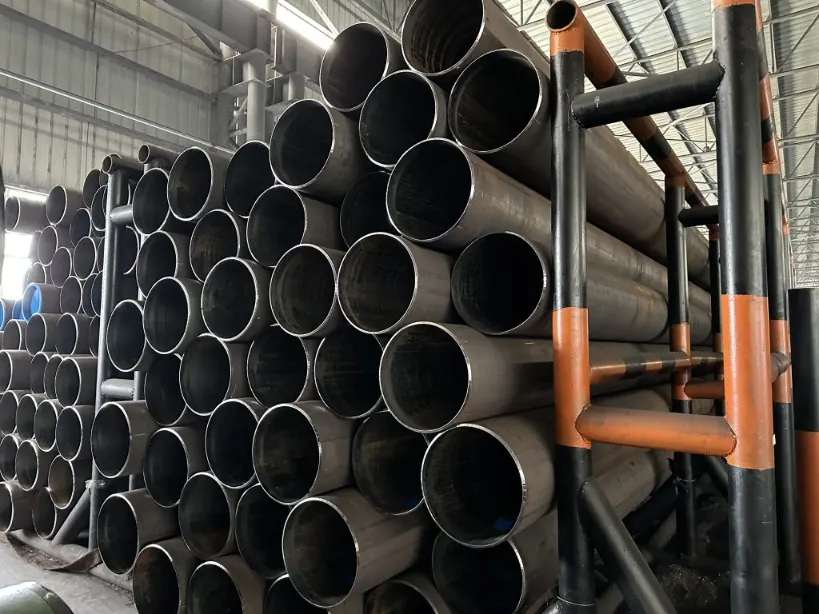
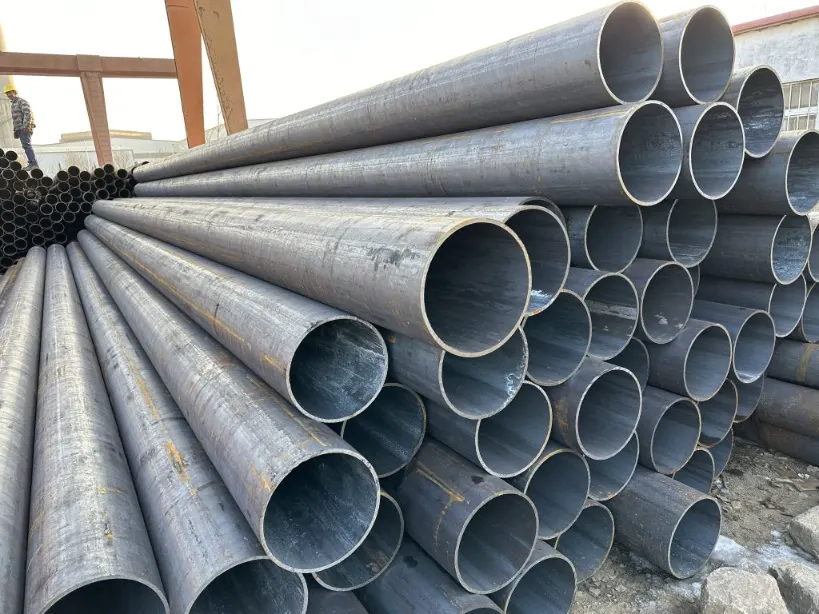
When your project involves heat, pressure, or both, pipe choice stops being a “commodity buy” and turns into a risk call. ASTM A106 is one of the standards that keeps showing up because it targets high-temperature service, and it is often specified for places like power stations and refineries where hot steam runs nonstop. This article walks you through the most common ASTM A106 pipe applications and what those use cases look like in real plant life, not just on a datasheet.
Why ASTM A106 Pipes Keep Showing Up in Industrial Specs
A106 is usually chosen when you want fewer weak points and more predictable behavior under thermal and pressure stress. It also helps that you can source it with a wide schedule range and large OD coverage, so you are not stuck redesigning your line just because one size is hard to find.
Seamless Construction and High-Temperature Duty
The common logic is simple: a seamless pipe removes the weld seam as a potential trouble spot. When your line cycles hot and cold, that detail can matter. In many specs, you will see language close to “seamless pipe for high temperature service,” because the service conditions punish weak links over time.
Sizes, Schedules, and Standards That Match Real Projects
On the product side, A106 supply is often offered with schedules from SCH10 through SCH160, plus XS and XXS, and OD can run from about φ10 to φ1200 mm, depending on your request. It is also common to see related standards listed together (ASTM, API, EN, DIN) because many projects mix systems and codes in one plant.
Application 1: Oil and Gas Transmission and Plant Piping
Oil and gas uses tend to split into long-distance transmission and shorter plant or station piping. In both cases, you care about pressure spikes, temperature swings, and long operating hours.
Where You See It
You often see A106 in station piping, skid piping, and high-stress sections where pressure control and thermal movement are more demanding than a simple low-pressure utility run.
Why It Fits
The “nominal wall pipe” concept with selectable schedules helps you match wall thickness to pressure class without getting weird with custom designs.
Case Snapshot
A common retrofit scenario is replacing older general-service pipe in a hot section near heaters or compressors after recurring leakage and gasket issues. The fix is rarely “just thicker.” It is usually “right standard + right tests + right schedule.”
Application 2: Refineries and Petrochemical Process Units
Refinery service is where small mistakes get expensive fast. A pipe that is slightly off spec can become a shutdown story.
Where You See It
Think hot transfer lines, steam tracing headers, and process interconnections around reactors, distillation areas, and heat exchange equipment.
Why It Fits
Specs often point to A106 for high-temperature steam and similar services, which is exactly the kind of duty you get in refineries.
Case Snapshot
A typical buyer pain point here is receiving pipe without complete mechanical and hydrostatic test documentation. It delays installation, and nobody enjoys rebooking an inspection team. A106 and A53 both require these tests, and checking reports early saves drama later.
Application 3: Power Generation Steam Systems
Power plants live and die by stable steam lines. If you have ever walked a pipe rack during startup, you know how loud thermal movement can get.
Where You See It
Main steam, auxiliary steam, and hot utility piping tied to boilers and turbines.
Why It Fits
A106 is directly associated with high-temperature service and is commonly referenced for power station steam duty.
Case Snapshot
In real operation, the failure you want to avoid is not always burst. It is fatigue, distortion, and joint leaks after repeated cycling. Choosing schedule based on operating pressure and adding reasonable allowance for transients is usually the quiet win.
Application 4: Boilers and High-Pressure Hot Service
Boilers push heat and pressure together, which is exactly where cheap shortcuts get punished.
Where You See It
Boiler feed connections, high-pressure hot fluid loops, and plant steam distribution with frequent load changes.
Why It Fits
Having schedules from SCH10 to SCH160 (plus XS/XXS) gives you room to match the pipe to the pressure class rather than “guess thick and hope.”
Case Snapshot
A common issue is over-thick pipe causing welding and fit-up pain, not better safety. The smarter move is selecting the schedule your design actually needs, then backing it up with complete test reports.
Application 5: Marine and Shipboard Utility Lines
Ships add vibration, motion, and tight maintenance access. Leaks are a bigger deal when the “floor” moves.
Where You See It
Fuel transfer, hot utility piping, and machinery space lines where reliability matters more than easy replacement.
Why It Fits
Seamless selections are often preferred in critical shipboard areas because they reduce one common weak point in high-stress service.
Case Snapshot
A practical shipyard concern is delivery timing. When a build window is tight, fast shipment and predictable stocking can matter as much as price. Some suppliers publicly claim shipment within 2 days for urgent needs and typical stocking completion around 10 days after contract, which lines up with what many project teams want to hear.
Application 6: Industrial Plant Utility Networks
Not every line is glamorous. Utility networks are where you rack up the most meters of pipe, and maintenance teams remember every bad choice.
Where You See It
Compressed air headers, thermal oil circuits, steam, and mixed utility corridors inside factories.
Why It Fits
Standardized sourcing across sizes and schedules makes maintenance and spares less chaotic.
Case Snapshot
Plants often standardize on a short list of pipe standards to avoid “ten versions of the same elbow.” It is boring, but it works.
Application 7: Water Treatment and Process Support Systems
Water treatment can be low pressure, but parts of the process still see heat, pressure, or chemical cleaning cycles.
Where You See It
Hot wash lines, blowdown-related piping, and process support lines that see temperature swings.
Why It Fits
If your system includes hot sections, the same high-temperature logic that applies in power and refining can apply here too.
Case Snapshot
A recurring issue is selecting a general-service pipe standard for a hot duty section, then discovering the mismatch during inspection. Checking the service temperature early prevents that.
Application 8: Heavy Industry Equipment Piping
Heavy industry equipment tends to run hard and run long. That changes how you think about risk.
Where You See It
Piping around high-heat process equipment, plant skids, and duty lines where downtime costs more than the pipe.
Why It Fits
A broad material list and standards coverage are often offered alongside A106 supply, which helps when your project mixes pipeline grades and plant piping needs.
Case Snapshot
A simple, real buyer lesson: ask for the test reports before you ask for the discount. If paperwork is missing, the “cheap” pipe becomes expensive.
A Simple Buyer Checklist Before You Place the Order
Before you buy ASTM A106 seamless carbon steel pipe, lock these down:
- Confirm the service is truly high-temperature, not general service, and match the standard accordingly.
- Confirm schedule and OD fit your design range (SCH10 to SCH160 is commonly listed, with OD up to φ1200 mm).
- Request mechanical and hydrostatic test reports as part of your pre-shipment document pack.
If your line runs hot, be explicit that you need a seamless pipe for high temperature service, not a “close enough” substitute.
Sunrise New Material (Qingdao Sunrise New Material Co., Ltd.) Introduction
Sunrise New Material (Qingdao Sunrise New Material Co., Ltd.) positions itself as a one-stop supplier for steel and non-ferrous metal raw materials, serving customers across more than 100 countries and regions. The company highlights ISO 9001:2015 certification, and it presents a supply model built around production capability plus warehousing near major ports to support timely delivery. If your purchasing process cares about documentation, it also showcases third-party certificates such as BV, TUV, and SGS on its site, which is useful when your project requires supplier qualification files. For buyers who juggle urgent orders and normal replenishment, it also publicly states fast shipment claims and stocking timelines on relevant product pages, which can be helpful during bid and scheduling talks.
FAQ
Q1: What is ASTM A106 usually used for?
A: You usually see it in high-temperature service, especially where hot steam runs often, like power stations and refinery areas.
Q2: Do you always need seamless pipe for A106 jobs?
A: If the spec calls for A106 in high-temperature duty, seamless is a common expectation. It helps reduce one common weak point in tough service.
Q3: What documents should you ask for before shipment?
A: Ask for mechanical and hydrostatic test reports early. If those are missing, the pipe can get stuck at inspection.
Q4: How do you pick the right schedule?
A: Start with your design pressure and temperature, then match wall thickness to that duty. Many suppliers list schedules from SCH10 up to SCH160, so you can usually find a fit.
Q5: What makes buyers switch from general-service pipe to A106?
A: It is often repeat problems: leaks after thermal cycling, higher shutdown risk, or specs tightening during an upgrade. Once a plant gets burned once, it tends to get strict the next time.