

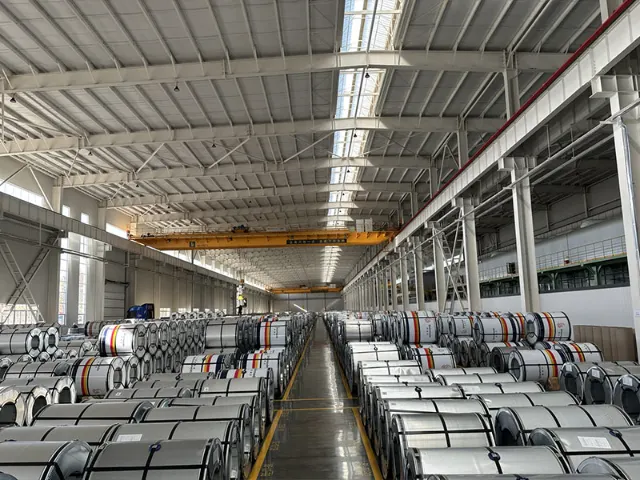
Basics of PPGI and PPGL for Everyday Projects
When you choose color-coated steel for roofing, wall cladding, or panels, you usually meet two terms straight away: PPGI and PPGL. At first glance they look similar. Both are painted coils or sheets, both can be profiled, both can go on the same roof. That’s why people sometimes treat them as almost the same product.
But the difference between PPGI and PPGL sheet becomes clear once you look under the paint. The base coating, corrosion behavior, and long-term life are not identical. If you understand these basics, you can match each material to the right project instead of relying on guesswork.
What PPGI Actually Is
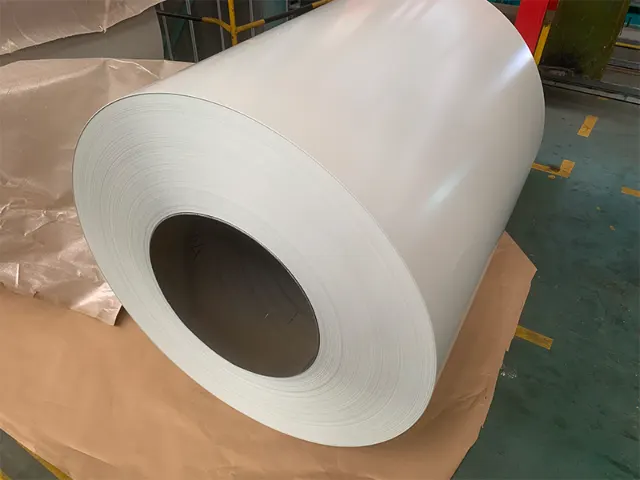
PPGI means a cold-rolled steel sheet coated with pure zinc (galvanized), then cleaned, chemically treated, primed, and painted on a continuous coil-coating line. You receive it as a finished product, ready to be formed into roofing or cladding.
PPGI gives you:
- Zinc-based sacrificial protection
- Good performance in normal inland conditions
- A cost-effective option for standard factories, warehouses, and partitions
When someone says “color-coated GI,” they’re usually talking about PPGI.
What PPGL Actually Is
PPGL stands for Pre-Painted Galvalume. Instead of pure zinc, the base coating is an aluminum-zinc alloy, often about 55% aluminum, 43.5% zinc, and a small amount of silicon. The sheet then follows a similar pretreatment, primer, and paint process.
PPGL gives you:
- A tougher Al–Zn barrier coating
- Better performance in coastal, industrial, or high-temperature areas
- A longer typical service life in harsh environments
So when you compare ppgi and ppgl, the main difference starts with that metallic coating.
How ppgi and ppgl Sheet Are Built from the Inside Out
If you picture ppgi and ppgl sheet in layers, the structure becomes easier to understand. Both use a steel core and a paint system, but the metallic layer in between is different.
Base Steel and Coating Composition
For both products, the core is cold-rolled steel. The key change is here:
- PPGI: steel + pure zinc metallic coating
- PPGL: steel + aluminum-zinc alloy metallic coating
On top of this metallic layer, both receive pretreatment, primer, and the chosen topcoat. Because the paint systems can be similar, the real difference between PPGI and PPGL sheet comes from how those metallic coatings react to weather, moisture, and heat.
Coating Weight and Thickness Ranges
You’ll often see:
- PPGI with zinc coatings such as Z80–Z275 g/m²
- PPGL with Al–Zn coatings like AZ70–AZ150 g/m²
Typical thickness for both ppgi and ppgl sheet in roofing or cladding is about 0.25–1.0 mm. So you don’t choose between them based on thickness alone; you choose based on environment and life expectations.
Core Technical Difference Between PPGI and PPGL in Corrosion Behavior
This is the heart of the topic. If you only remember one technical point, remember this part. The main difference between PPGI and PPGL sheet lies in how each coating fights corrosion over time.
Sacrificial Protection in PPGI
In PPGI, the zinc layer is more active than steel. It corrodes first and protects the steel underneath. Even when the paint is scratched, nearby zinc continues to protect the exposed steel for some time. This sacrificial effect makes PPGI very useful in mild to medium environments.
For you, that means PPGI is a strong choice for:
- Inland buildings
- Moderate pollution levels
- Projects where cost control is important
But in aggressive, salty, or acidic conditions, this zinc layer can be consumed faster, which shortens the life of the panel.
Barrier and Reflective Protection in PPGL
PPGL works in a slightly different way. The aluminum in the Al–Zn alloy forms a dense, stable oxide film on the surface. This film acts as a barrier that slows further attack. Zinc still provides some sacrificial protection, but it doesn’t carry the whole load.
This gives PPGL:
- Strong resistance in marine and industrial atmospheres
- Better behavior at high temperature and under strong sun
- Longer typical life in severe climates compared to similar PPGI
So you can think of PPGI as mainly sacrificial protection and PPGL as a blend of barrier and sacrificial protection.
Mechanical Performance: Bending, Forming, and Fastening
Both PPGI and PPGL need to survive not just the weather, but also your processing line and installation. Cracked coating or flaking paint at bends can waste an otherwise good product.
How PPGI Handles Forming and Profiling
PPGI based on galvanized steel usually has very friendly forming behavior. The zinc layer is relatively soft, so it tolerates:
- Tight roll-forming profiles
- Reasonable bending and light stamping
- Normal drilling and fastening during installation
For complicated shapes or less-than-perfect tooling, PPGI is often slightly more forgiving.
How PPGL Reacts Under the Same Processes
PPGL also forms well, but the Al–Zn alloy is harder and less ductile than pure zinc. If bend radii are too tight, or tooling is worn, micro-cracks in the coating can appear more quickly.
To keep PPGL happy, you should:
- Respect minimum bend radii
- Use sharp, aligned rolls and dies
- Avoid unnecessary re-bending on site
If your design needs very deep drawing, PPGI or a carefully selected PPGL grade and paint may be a safer match.
Heat, UV, and Color Stability Over Time
Roofs and walls stand in the sun for years, so heat and UV are not details. Here the difference between PPGI and PPGL shows up in surface temperature and appearance.
Heat Reflectivity and Surface Temperature
Because of its Al–Zn coating, PPGL typically reflects more solar radiation than comparable PPGI, especially in light colors. This can reduce roof surface temperature and slightly lower heat load inside the building.
For large warehouses or logistics centers in hot climates, this small difference can add up over time, especially where there is no full air-conditioning.
Fading, Chalk, and Gloss Retention
Color stability mostly depends on the paint chemistry: polyester, SMP, HDP, PVDF, and so on. Both ppgi and ppgl sheet can use the same systems. However, PPGL is often sold into more demanding environments, so suppliers tend to pair it with higher-grade paints more frequently.
That’s why you often see:
- PPGI: standard polyester on cost-sensitive jobs
- PPGL: higher-end paints where long-term appearance is critical
If your client cares a lot about fade and chalk after 15–20 years, look at both the substrate (PPGI vs PPGL) and the paint type as a combined package.
Appearance Options for ppgi and ppgl Sheet
Visually, ppgi and ppgl sheet can look almost identical. The main difference between PPGI and PPGL sheet is not color, but performance.
Common Finishes, Textures, and Colors
Both materials support:
- Glossy, semi-gloss, and matt finishes
- Wrinkle and textured surfaces
- Decorative patterns like wood grain or stone
You can match most RAL or custom colors with either PPGI or PPGL, so design freedom remains the same. You usually make the decision based on technical needs, not styling limits.
Visible Difference Between PPGI and PPGL at Cut Edges
If you look very closely at a clean cut edge after some time in service, you may notice small differences in how they weather. PPGI edges show more typical zinc behavior. PPGL edges sometimes develop a slightly different tone due to the Al–Zn blend.
Most of the time, these edges are hidden by flashings or overlaps, so this is more of a technical curiosity than a design factor.
Cost Difference and Real Life-Cycle Value
On paper, PPGI tends to be cheaper than PPGL. But your real question is not “Which is cheaper per ton?” It’s “Which is cheaper over the life of the building?”
Upfront Price Comparison
Because galvanized substrates cost less than Al–Zn alloy substrates, PPGI usually comes with a lower price per ton. For mild inland projects with moderate life expectations, this often makes PPGI the logical choice.
PPGL normally costs more because of the alloy and its performance profile. So if you only compare the line price, PPGL will likely sit higher.
Service Life and Replacement Cost
In harsh coastal or industrial environments, PPGL often delivers significantly longer life than similar PPGI. That means you may pay more at the beginning, but avoid early repainting or replacement.
If access is difficult, or downtime is expensive, PPGL can easily become the cheaper option over 20–30 years. For mild sites, PPGI can still give you solid life with lower initial cost, so there’s no one-size-fits-all winner.
Practical difference between ppgi and ppgl sheet by Application
To make things simple, think about where the building stands and how long it should last. That’s usually the clearest way to choose between ppgi and ppgl sheet.
Mild Inland Roofing and Wall Cladding
For inland warehouses, workshops, farm buildings, and small commercial spaces, PPGI often does the job very well. With the right thickness, coating weight, and paint, you can get long service life without paying for extra alloy performance you don’t really need.
Here, PPGI gives you:
- Stable quality at lower cost
- Easy processing on local roll-forming lines
- Good performance in C2–C3 type environments
If cost is tight and the environment is friendly, PPGI usually wins.
Coastal, Industrial, and High-Humidity Projects
For buildings near the sea, in high-humidity areas, or around heavy industry, PPGL becomes much more attractive. The Al–Zn coating and suitable paint system hold up better under salt spray, pollutants, and strong sunlight.
Here, PPGL offers:
- Longer expected life at cut edges and overlaps
- Better resistance when temperatures and UV are high
- More comfortable risk control when you’re responsible for durability
In short: mild inland → PPGI; harsh coastal/industrial → PPGL, or at least a strong discussion about it.
Simple Checklist to Choose Between PPGI and PPGL
When you compare ppgi and ppgl, use a quick checklist instead of guessing.
Environment and Corrosion Category
Ask yourself:
- Is the project inland, with clean or light industrial air?
- Or is it coastal, exposed to salt spray, or near heavy chemistry?
For mild zones, PPGI is usually fine. For aggressive zones, PPGL or upgraded systems give you a safer margin.
Service Life Target and Warranty Terms
Then decide what the owner expects:
- 10–15 years before major work?
- Or 20–30+ years of reliable service?
Shorter life in mild conditions points toward PPGI. Longer life in harsh conditions points toward PPGL plus a higher-grade paint system and correct detailing.
Common Mistakes When You Treat PPGI and PPGL as the Same
You’ll avoid a lot of trouble just by not treating PPGI and PPGL as identical.
Using the Wrong Grade in Coastal Zones
A very common mistake is putting low-spec PPGI on a building close to the sea. It looks good at handover, but after some seasons of salt exposure, edges and fasteners start to rust earlier than expected. In such locations, PPGL or a higher-spec PPGI system should at least be considered.
Ignoring Cut-Edge Protection and Fasteners
Another issue is details. Poor fasteners or unprotected cut edges can make both PPGI and PPGL fail faster than they should. Correct screws, washers, sealants, and edge treatment matter just as much as the coil itself.
If you choose PPGL but ignore all these details, you won’t get the full benefit. If you choose PPGI and handle details carefully, you can often extend its practical life a lot.
Working With Professional Suppliers for PPGI and PPGL
Because these materials protect your building for years, the supplier behind them is important. You’re not only buying ppgi and ppgl sheet; you’re buying experience and support.
Why Experience and Standards Matter
A professional supplier should:
- Work with recognized standards and test methods
- Provide full documentation on substrate, coating, and paint
- Help you match PPGI or PPGL to your project’s environment and budget
This technical support makes it much easier to explain your choices to project owners and reduce the risk of disputes later.
Example of a One-Stop Steel Partner
Many buyers prefer to work with a one-stop partner that understands both PPGI and PPGL, handles inspection, and manages export or logistics smoothly. A partner with long-term customers, not just spot deals, tends to care more about consistent quality. That kind of support often matters more in the long run than a small price gap on a single shipment.
If you want a supplier that fits both technical and practical boxes, Qingdao Sunrise New Material Co., Ltd. sits in that space as an international and professional supplier of steel and non-ferrous metal raw materials. The company runs as a one-stop platform for carbon steel, stainless steel, Color Coated and galvanized coils, and a full family of profile steel, including angle, channel, H-beam and piles.
Sunrise New Material operates under ISO9001:2015 quality management, works with major mills like Baosteel and POSCO, and keeps multiple warehouses near major Chinese ports to support fast loading and flexible order sizes. Customers in more than 100 countries use the company’s products in airports, stadium projects, coastal resorts and industrial plants, which means you can treat them as a reliable steel manufacturer when you build your own angle steel sourcing guide or long-term supply plan.
FAQs About ppgi and ppgl Sheet
Q1: What is the basic difference between ppgi and ppgl?
A: PPGI is pre-painted galvanized steel with a pure zinc coating. PPGL is pre-painted Galvalume with an aluminum-zinc alloy coating. This alloy makes PPGL more durable in tough climates, especially near the sea.
Q2: When should you use PPGI instead of PPGL?
A: Use PPGI for inland projects, moderate environments, and cost-sensitive buildings where the design life is shorter and conditions are not extreme.
Q3: Is PPGL always better than PPGI?
A: Not always. PPGL often lasts longer in harsh areas but costs more. In mild inland locations, good-quality PPGI can give you very solid performance at a lower total cost.
Q4: Do ppgi and ppgl sheet use different paint systems?
A: They can use the same paint chemistries. However, PPGL is often paired with higher-grade paints because it targets demanding environments and longer life.
Q5: How do you quickly explain the difference between ppgi and ppgl sheet to a client?
A: You can say: “PPGI is painted galvanized steel, good for normal roofs and walls. PPGL is painted Galvalume, with aluminum-zinc alloy, better for coastal or industrial areas and usually longer-lasting, but slightly more expensive.”