

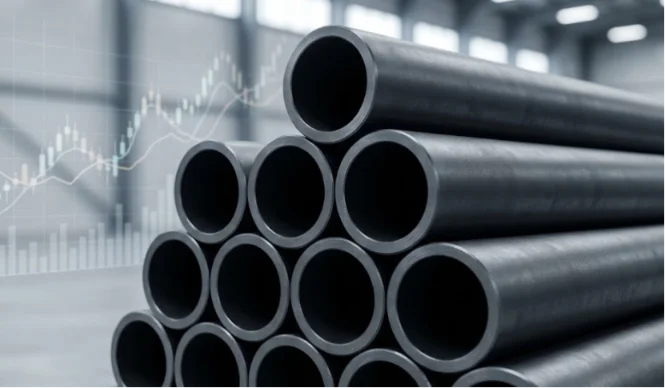
Buying metal for huge projects is incredibly stressful right now. You stare at spreadsheets trying to guess the carbon steel pipe price 2026. One wrong move and the whole project budget blows up. Last fall, plenty of project managers waited too long to order material. They thought prices would drop. Instead, iron ore and metallurgical coke costs shot through the roof. Those managers had to explain massive project budget overruns to their bosses. Nobody wants to be in that room. If you buy wholesale A106 pipe for power plants or oil rigs, you need a real plan. Knowing the steel market trends helps you stop guessing. You can actually lock down your numbers and sleep at night. Let us look at what drives these costs and how to buy smarter.
What Are the Core Drivers Behind the Carbon Steel Pipe Price in 2026?
Prices do not just change to make your life hard. Every quote you get from a factory comes from a messy mix of dirty mining work and heavy factory bills. You have to look at what happens before the pipe even gets made.
Iron Ore and Metallurgical Coke Volatility
Unlike fancy alloy metals, basic A106 seamless pipes rely heavily on just two dirt cheap things that suddenly got expensive. Iron ore and metallurgical coke dictate almost the entire raw cost. When a big mine in Australia or Brazil floods, less ore hits the boats. The spot price jumps almost overnight. You might be planning a pipeline build six months out. But a sudden shortage of coke used to melt that iron will ruin your math. Tracking these two raw materials gives you a huge head start on your B2B pipe sourcing plans.
Production Costs of Seamless Pipes
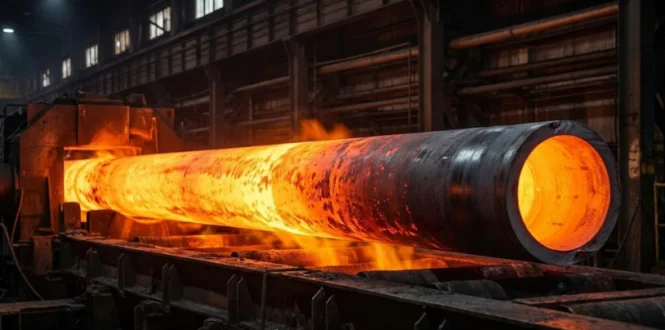
Making seamless carbon steel pipe differences stand out compared to cheap welded tubes is all about the heat. Factory workers take a solid chunk of steel and force a hole right through the middle while it is glowing hot. This takes a ridiculous amount of electricity and natural gas. When winter hits hard and energy bills spike across industrial towns, the factory passes that utility bill straight to your invoice. If natural gas costs go up, your A106 pipe gets more expensive. It really is that simple.
What Are the 2026 Steel Market Trends for A106 Pipes?
You cannot just look at today price tag. You need to read the calendar. The metal market changes completely depending on the season and what big government jobs are starting up.
Early Year Restocking Cycles and Spot Price Shifts
The first few months of the year are always a mad rush. Warehouses clear out their old stock for taxes in December. Then in January, everyone tries to buy fresh material at the exact same time. This massive wave of early orders keeps prices stubbornly high. If you try to buy large-scale A106 orders in February, you will fight every other buyer for the same pile of metal. Factories know they have full order books, so they rarely give out good discounts early in the year.
Infrastructure Projects Driving Demand Later
Things shift as the weather gets warmer. Massive government road and water projects finally break ground. Big oil refineries start their summer maintenance shutdowns and replace miles of old rusty pipes. All this heavy construction eats up the available supply of quality A106 pipes fast. If the global economy holds steady this year, expect finding premium pipes to get much harder by September.
How to Build Smart B2B Pipe Sourcing Strategies to Prevent Budget Overruns?
Knowing the weather report does not keep you dry. You actually need to grab an umbrella. Changing the way you buy your metal every day protects your profit margins and keeps your crew working.
Timing Your Wholesale A106 Pipe Purchases
Stop trying to perfectly guess the absolute lowest price. You will almost always miss it by a few days. Instead, try splitting up your massive orders. Buy half of what you need right now to get the project started safely. Then, let the other half float on the market index. This simple trick smooths out those crazy price spikes. Talk to the site boss and find out the exact date the welding crew arrives. Only order what they can actually weld that month.
Working With a Reliable Partner
Buying thousands of tons of steel requires someone you can actually trust. A bad supplier will leave you hanging when prices jump. This is where finding an honest expert changes everything. Take Chic, a senior sourcing strategist at Sunrise New Material. Chic spends all day watching these exact steel market trends. Chic knows how stressful it is when a delayed shipment stops a whole oil rig project. Instead of just pushing a quick sale, Chic looks at your blueprint. If you need a specific wall thickness for high pressure steam, Chic finds the exact mill that rolls it best. Working with Sunrise New Material means you get someone who actually cares about your budget. They hold pricing steady for longer periods and always provide the real Material Test Report to prove the metal is safe. You can easily browse their top tier A106 carbon steel pipes online. If your job needs different specs, their whole carbon steel lineup is ready to ship out. Having a solid partner stops the endless panic buying.
FAQ
Q1: What exactly makes A106 pipe different from A53?
A: A106 is made completely seamless and handles much higher heat and pressure. A53 is often welded and used for basic structural jobs like fences or low pressure water lines.
Q2: Do energy prices really affect the cost of steel pipes that much?
A: Yes, they absolutely do. Melting raw steel and rolling it into seamless tubes burns massive amounts of natural gas and electricity. High power bills equal higher pipe prices.
Q3: Is it safe to buy carbon steel pipes when the market is crashing?
A: It is risky. Sometimes prices drop because the quality of the raw material is terrible. Always ask your supplier for a proper test report before buying cheap metal.
Q4: How can a buyer protect against sudden price jumps?
A: The smartest way is setting up a forward contract with a good factory. You lock in a set price today for metal that they will deliver a few months later.
Q5: Why do steel warehouses raise prices in early spring?
A: Most shops buy completely new inventory right after the new year starts. This huge sudden demand makes factories raise their rates until things calm down around summer.