

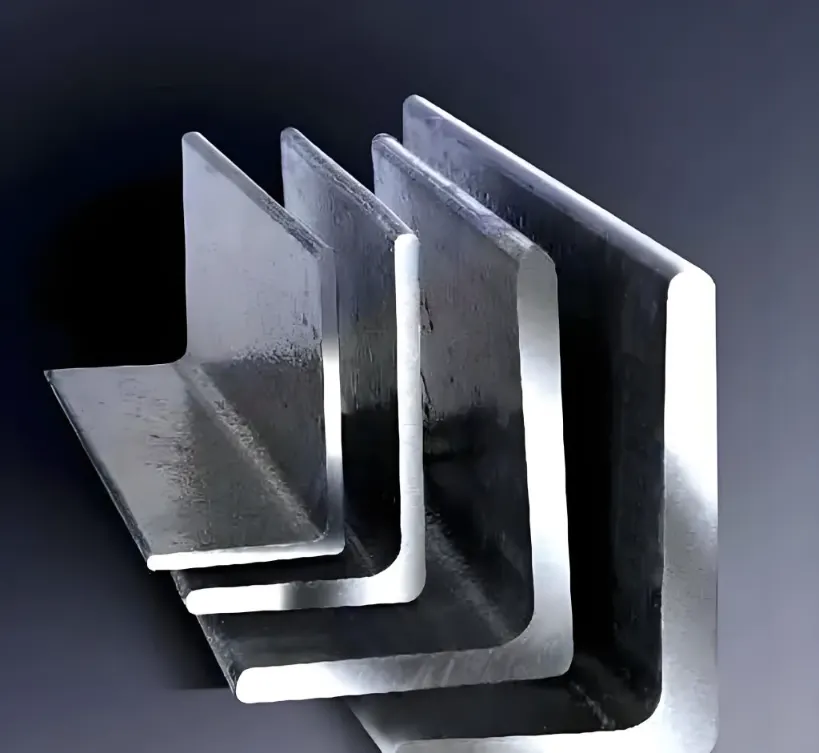
If you use A36 angle steel in open air, near the sea, or around water tanks and docks, corrosion is probably one of your first worries. The material has good strength and works well in building frames and engineering work, but salty air and standing water can slowly eat into the section and cut into safety. This article walks through what A36 angle steel really is, why it rusts faster in harsh environments, and what you can do to keep it working for many years instead of just a few seasons.
Steel angle bar products are generally moisture, fire and weather resistant, and you do not need to treat them for pests at all. In coastal areas or where steel sits close to sea air or spray, they do need extra protection against rust and corrosion, so design and surface choice matter a lot for you.
What Is A36 Angle Steel?
Before you pick a protection system, you need a clear picture of the material itself. A36 is a common low carbon structural steel grade. It is usually supplied as hot rolled angle, with equal or unequal legs, used as bracing, frames, and supports in buildings, machinery and even small ship structures.
Key Mechanical Properties
A36 angle steel comes from hot rolled carbon steel. Typical yield strength is about 250 MPa, with tensile strength in the 400–550 MPa range, which gives you a good mix of strength and ductility for welding, cutting and drilling.
On the product side, you usually see:
- Thickness from roughly 2 to 30 mm
- Leg width from about 20×20 mm up to 400×400 mm
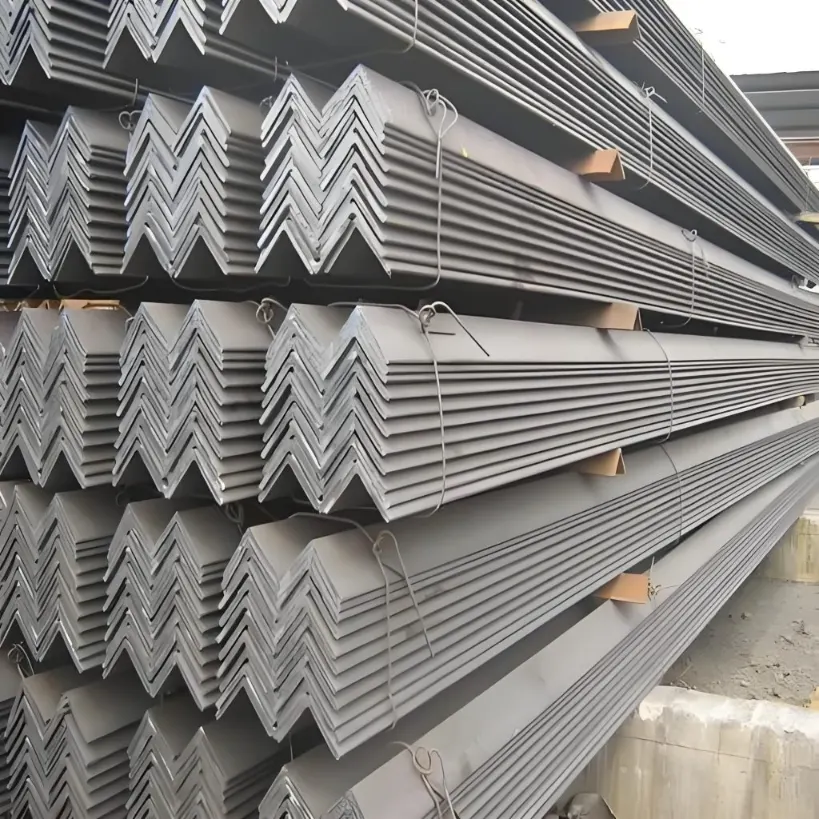
- Standard lengths of 6 m, 9 m, or 12 m, with custom length on request
- Surfaces like original (black), galvanized, or painted finishes
This flexibility lets you use A36 angles for room beams, ship beams, industrial furnace frames and general engineering structures.
Typical Outdoor Uses
For you, the most common scenarios are:
- Perimeter frames, walkways and platforms around plants
- Bracing for storage racks and outdoor equipment bases
- Simple coastal or riverside structures such as stairs, ladders, small piers
In these cases the bare steel works fine in dry inland areas, but behaves very differently once sea air, spray and cycles of wet and dry come in.
Why Does A36 Angle Steel Corrode in Harsh Environments?
A36 is low carbon steel. That gives you easy welding and forming, but corrosion resistance is only moderate. When you put bare carbon steel angles near salt, moisture and oxygen, iron oxides form steadily and slowly reduce section thickness.
Main Environmental Factors
Key conditions that speed up corrosion for you include:
- High humidity or frequent rain
- Salt carried by wind in coastal regions
- Standing water in pockets or on horizontal legs
- Pollutants like industrial gases and dust
The product information already reminds users that where sea air or water is involved, angle steel needs more treatment against rust and corrosion.
What Happens if You Ignore Corrosion
You first see surface rust, then pitting on corners and at bolt holes. Over years, this can reduce effective thickness and weaken the member, especially near connections where stress is high. In bracing or stair stringers, that might mean more deflection, then cracking at welds.
What Types of Corrosion Affect A36 Angle Steel?
You rarely meet just one kind of corrosion, especially outside. Several mechanisms often work together, which is why some spots seem to “rot” faster than others.
Atmospheric Corrosion
In normal outdoor air, thin moisture films form on the steel when humidity rises. With oxygen present, rust builds up. This is slower inland, faster where pollution is higher or steel stays damp for long periods.
Marine and Coastal Corrosion
Near the sea, chlorides from salt spray break down the rust layer and stop it from forming a tight barrier. This gives you deeper pits and faster section loss. Studies on roofing and pre-painted steel sheets show that coastal exposure can multiply corrosion rates compared with dry inland sites.
Galvanic and Crevice Issues
If your A36 angle connects to more noble metals, such as stainless steel plates or copper components, galvanic cells can form in wet conditions. Rust then concentrates on the carbon steel. Bolted laps and tight joints can also trap moisture and salt, which leads to crevice corrosion at exactly the points you care about most.
What Protection Methods Can You Use?
You have several practical options. Picking the right mix depends on location, budget, expected life and inspection habits.
Hot Dip Galvanizing
Hot dip galvanizing coats the cleaned steel with a zinc alloy layer. On coil products, the process is described as immersing the steel in molten zinc so that iron and zinc react and create a firm zinc alloy coating. The same principle applies to angle steel.
For coastal or marine splash zones, zinc coating is one of the most reliable first lines of defence. When you see A36 supplied as galvanized surface from the mill, it usually aims exactly at this higher corrosion risk.
Paint, Color Coated Sheet and Pre Painted Systems
For some projects, you may combine galvanizing with painting, or choose paint alone if the environment is milder. Epoxy primers plus polyurethane or polysiloxane top coats are common for marine atmospheres.
Here, experience from roofing and cladding is useful. Products like PPGI and other Color Coated Sheet lines pair a metallic coated substrate with organic paint layers, then use tests such as salt spray, cyclic corrosion exposure and edge creep checks to see how coatings behave over time.
If you look into how to evaluate corrosion resistance of pre-painted steel sheets, you will see criteria like blistering, rust grade, gloss loss and color change after given test hours. The same ideas can guide you when you select coating systems for angle steel in tough climates.
Design and Maintenance Tips
Even with strong coatings, small layout choices help you a lot:
- Avoid pockets where water can sit on horizontal legs
- Provide drain holes at closed ends
- Use sealants or closed welds at joints that trap salt and moisture
- Plan regular inspections and touch-up of damaged paint or zinc
A quick yearly walk-down with a camera and a wire brush often saves you bigger repair work later.
Where Does A36 Angle Steel Fit in Your Project?
When you design or retrofit, you are often choosing between different shapes and finishes, not only between grades.
Choosing Section Sizes and Surfaces
With thickness from 2 to 30 mm and legs up to 400×400 mm, you can size A36 angle steel for both light frames and heavy bracing. You then pick surface condition: original, painted or galvanized.
If you browse different Hot Rolled Steel Angle options, you can match section size and finish to live loads, exposure and planned maintenance windows, rather than using one “default” for everything.
When to Consider Other Structural Steel Profiles
Sometimes you may want to combine A36 angle steel with other Structural Steel Profiles such as channels, H-beams or sheet piles for a more rigid frame or better load path. In zones with very high splash or chemical exposure, you might also consider using stainless components, thicker galvanizing, or even cladding parts of the frame with Color Coated Sheet products to shield the core structure.
For connecting to coated roofing or cladding, it helps if your corrosion strategy for angles and the strategy for sheeting are consistent, rather than treating each in isolation.
Why Choose Sunrise New Material (Qingdao Sunrise New Material Co., Ltd.)?
If you want one partner for A36 angle steel and matching corrosion resistant products, Qingdao Sunrise New Material Co., Ltd. plays that role as a specialist supplier. The company focuses on steel and non ferrous metal raw materials and has built a strong supply chain network that covers carbon steel, stainless steel, Color Coated Sheet, galvanized and galvalume coils, as well as a full range of profile steel like angles, channels, H beams and piles.
Production lines include tension testing, coating lines for pre painted and galvalume coils, and processing for plates, pipes and coils, all running under an ISO9001:2015 quality system. Customers from more than 100 countries use these products in airports, stadiums, coastal resorts and industrial plants, which means you can source A36 angle steel, galvanized coil and pre painted systems from one place and keep specs consistent from frame to cladding.
FAQ
Q1: Can you use bare A36 angle steel near the sea without any coating?
A: You can, but it is not a good idea for long term service. In sea air, bare carbon steel corrodes faster, so you usually need at least paint or a galvanized finish, and often both if the steel sits close to splash or stands in damp pockets.
Q2: Is galvanized A36 angle steel enough for a small coastal platform?
A: For light platforms above splash level, hot dip galvanized A36 angle steel often gives solid service life, as long as you avoid water traps and repair any mechanical damage to the zinc layer. For direct tidal or splash zones, you may combine galvanizing with paint or consider thicker sections.
Q3: How does A36 compare with stainless steel for corrosion resistance?
A: Stainless grades usually resist corrosion much better in marine air, but they cost more and can be harder to fabricate. A36 angle steel with a good zinc or paint system often gives a practical middle path where strength and price both matter.
Q4: Where do Color Coated Sheet products fit with angle steel structures?
A: Color Coated Sheet and other pre painted coils are often used for roofing and wall cladding that attach to A36 angle or other frame members. If you care about how to evaluate corrosion resistance of pre-painted steel sheets, you look at accelerated tests, edge performance and gloss or color change, so your cladding lasts as long as the frame.
Q5: When should you move from A36 angle steel to other structural steel profiles?
A: If loads get higher, spans grow longer, or you need a stiffer frame, you may switch some members to channels, H beams or other Structural Steel Profiles. You still can keep A36 as the base grade and then choose different shapes and surfaces to match each part of the structure.