

 Wrangling the Wild World of Galvanized Sheet Metal
 Wrangling the Wild World of Galvanized Sheet Metal
What’s the Deal with This Shiny Metal?
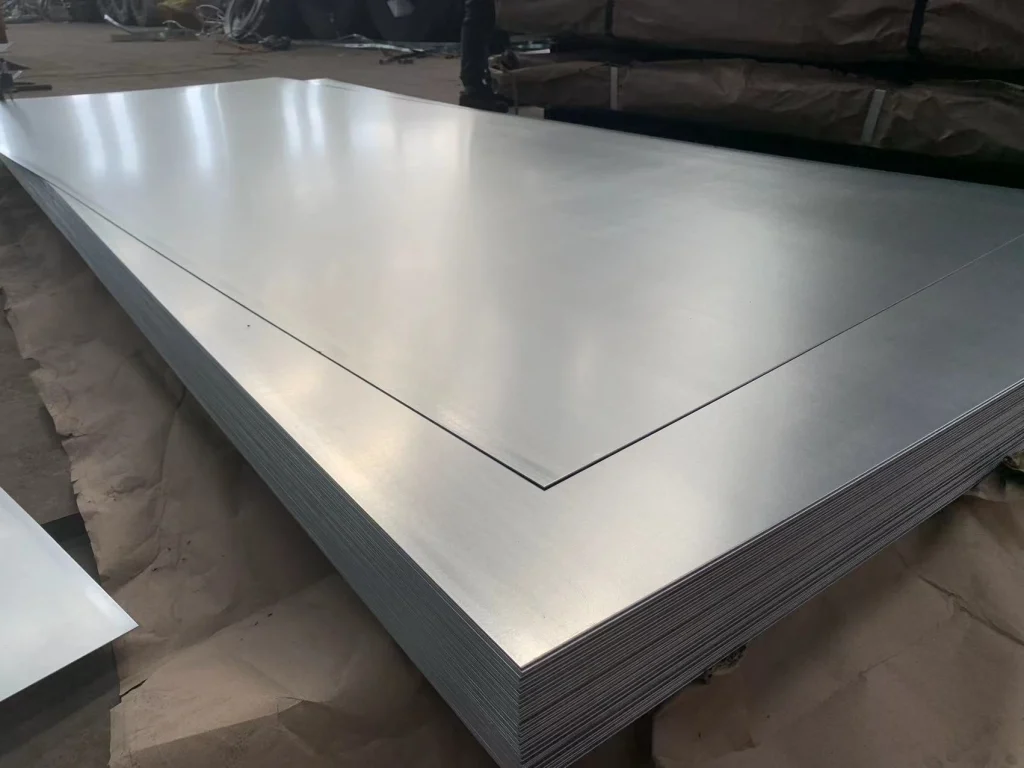
Yo, let’s dive into galvanized sheet metal—it’s like steel rocking a zinc superhero cape to fend off rust and corrosion. They slap that zinc on by dunking steel in a hot, melty zinc bath (hot-dip style) or zapping it with some electric magic (electro-galvanizing). Boom! You get a metal that’s tough like steel but chill like zinc, dodging rust like a pro. This stuff’s everywhere—roofs, cars, farm gear, even your grandma’s old fridge. Cheap, long-lasting, and ready to rumble. Ever seen a fence that’s been up forever and still looks fresh? That’s the zinc flexing.
Where This Stuff’s a Total Rockstar
Galvanized steel laughs at rust, so it’s the go-to for anything that’s gotta live outside or take a beating. Think shiny roofing panels, HVAC ducts, fences that don’t quit, or beefy building frames. Car makers use it for body panels to keep your ride looking slick despite rain or road grime. Farmers? They’re all about it for gear that’s always wet or splashed with chemicals. Ever spotted a barn roof gleaming like it’s brand new? Galvanized steel’s probably stealing the show.
Why It’s Lit (and Where It’s Not)
The big win? That zinc coat makes steel live practically forever by keeping rust at bay. It’s like a bodyguard—zinc takes the hit first, even if you scratch it up. But it’s not all sunshine. That zinc can throw shade at welding or painting if you don’t prep it right. And in super gnarly spots—like acidic factories or salty beach vibes—it might not hold up as long. Gotta know when it’s game over, you feel me?
Can You Weld This Shiny Beast?
The Science of Welding This Zinc-Coated Bad Boy
You can weld galvanized steel, but it’s not just spark it and forget it. The welding heat turns that zinc coating into vapor, spitting out zinc oxide fumes that can mess with your weld and your lungs if you’re not careful. It’s like cooking bacon without a fan—smoky and risky. Ever welded and smelled something funky? That’s the zinc throwing a tantrum.
Why It’s a Bit of a Drama Queen
Welding galvanized steel’s got some issues:
- Porosity: Zinc vapor leaves tiny holes in your weld—like bubbles in a bad pancake.
- Spatter: You get extra splatter, like glitter gone wild, from that zinc mess.
- Cracking: Welds can crack if you’re not on your A-game.
- Toxic Fumes: Those zinc fumes? They’re no joke—breathing them’s a health hazard.
It’s like trying to paint a wall with glitter glue—possible, but you gotta handle the chaos.
Galvanized vs. Plain Steel: Who’s the Welding Champ?
Plain steel’s the chill cousin—welds like a breeze with no coatings to cause drama. Galvanized steel? It’s the high-maintenance one. That zinc coat means extra prep to dodge fumes and wonky welds. More work, but worth it for that rust-proof swagger. Ever welded plain steel and thought, “This is too easy”? Galvanized’s a whole different vibe.
Keeping It Safe When Welding Galvanized Steel
Why Zinc Fumes Are a Total Buzzkill
Welding galvanized steel makes zinc oxide fumes, and those are straight-up trouble. Breathe them in, and you might catch metal fume fever—think flu vibes with chills, nausea, tight chest, fever, and feeling like you got hit by a truck. It usually kicks in a few hours after welding but fades in a day or two. Keep at it without protection? You’re asking for lung drama down the road. Ever felt like crap after a weld sesh? Blame the zinc.
Ventilation and Gear to Stay in the Game
Don’t mess around with fumes. Here’s how to keep it safe:
- Weld in a wide-open spot or use fans to suck fumes away like a vacuum.
- Grab a fume extractorto snatch those fumes right at the source.
- Rock a respiratorbuilt for metal fumes, plus goggles and flame-proof threads.
- Gear up like you’re going into battle—safety’s no joke.
Making Your Weld Zone a Chill Space
Set up like a pro:
- Grind off that zinc near the weld to cut the fume chaos.
- Go for low-fume tricks like TIG or MIG if you can swing it.
- Train your crew to spot fume fever signs—nobody wants a sick day.
- Keep first aid handy for any oopsies.
Prepping Galvanized Steel for Welding Glory
Cleaning It Up Like a Boss
Before you spark up, scrub that galvanized surface to keep your welds clean. Try these:
- Wire brushing: Blast away dirt and grime like it’s nobody’s business.
- Grinding: Smooth out that zinc for a slick weld zone.
- Sandblasting: Zap oxidation and gunk like a sandstorm.
Sometimes you gotta ditch some zinc to avoid a hot mess—depends on how hard you’re going.
When to Kick That Zinc to the Curb
You’ll wanna scrape off the zinc around your weld spot—think 1–2 inches on each side. Why? Less fumes, less bubbly welds. Use a grinder or chemical strippers to nix the zinc, but don’t go wild, or you’ll leave the steel naked and rusty later. Ever got a weld that looked like bad popcorn? That’s the zinc you didn’t zap.
Tools and Goodies You’ll Need
Stock your toolbox with:
- Angle grinderswith flap discs for slick smoothing.
- Stainless-steel wire brushesfor some serious scrubbing.
- Chemical strippersfor pinpoint zinc removal.
- Anti-spatter spraysto make cleanup a breeze.
Prep like a champ, and your welds will sing.
Welding Galvanized Steel Like a Freakin’ Legend
Picking the Perfect Welding Method
Each welding style’s got its own flavor for galvanized steel:
- MIG: Killer for thin sheets, super precise—tweak the gas for zinc vibes.
- TIG: Clean as a whistle, low spatter, but slow—pro-level stuff.
- Stick: Tough for grimy surfaces, but expect splatter. Great for thick chunks outside.
Pick your poison based on skills, sheet size, and how pretty you want it. What’s your welding jam?
Cranking the Heat Just Right
Galvanized sheets are often skinny—too much heat, and you’re burning holes like a bad sci-fi flick. Dial down the amps compared to plain steel. Short arcs keep it tight, and pulse settings on fancy MIG or TIG rigs? Pure magic for control. Ever melted through a sheet and cursed? Keep the heat low, yo.
Post-Weld Moves to Lock Out Rust
After welding, don’t leave your steel hanging:
- Brush off slag with a wire brush like you’re scrubbing a grill.
- Slap on cold galvanizing sprayor zinc-rich paint to cover bare spots.
- For big-deal jobs, think about hot-dip re-galvanizing if you can.
These moves keep that rust-proof mojo alive.
Frequently Asked Questions (FAQs)
- Can you weld galvanized steel without ditching the zinc?
Sure, but it’s sketchy—fumes are toxic, and welds get messy. Strip it for clean vibes and safe lungs. - What welder’s the GOAT for galvanized sheets?
MIG weldersare your best bet for thin galvanized stuff—easy to handle and keeps heat in check. - Are zinc fumes gonna wreck me?
Yup—they can hit you with metal fume fever. Gear up with PPE and ventilate like it’s a rock concert. - How do I keep welded spots from rusting?
Clean themup, then hit them with cold galvanizing spray or zinc primer for outdoor swagger. - Why do my welds look like a hot mess?
Probably zinc gunk left behind. Prep that surface like it’s date night for smoother results.
Need primo galvanized steel or custom solutions? Holler at Qingdao Sunrise New Material Co., Ltd.’s Customization Service for top-tier metal tailored to your gig!