

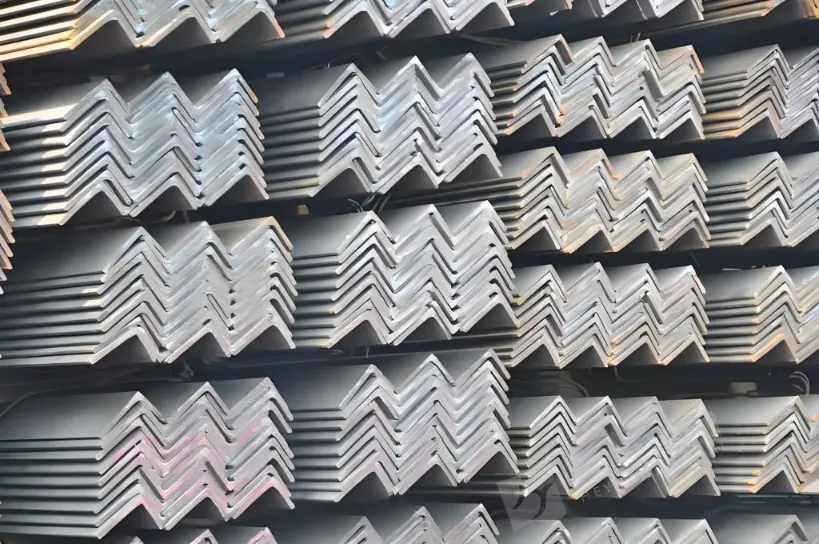
When you buy A36 angle steel, you are not just ticking a line on a BOM. You are locking in strength, safety, and how smoothly your project runs on site. Wrong angle steel dimensions or poor documentation can mean misfits, rework, or even failed inspections. A realistic steel sourcing guide helps you avoid that headache and gives you a clear A36 angle steel supplier checklist to follow instead of guessing.
This article walks through A36 steel specifications, relevant A36 steel standards, and the main points you should check with any supplier before placing a serious order. Think of it as a practical steel buying checklist built for real structural projects, not just theory.
Why Material Selection Matters for A36 Angle Steel?
For many jobs, A36 structural steel feels like the default choice. It is a mild, hot rolled carbon structural steel with good weldability, ductility and toughness, widely used in construction and fabrication projects. But once loads go up or environments get harsher, the details of A36 steel grade requirements start to matter a lot more than just the name printed on the tag.
Typical Use Cases That Depend on Accurate Specs
You will usually see A36 angle steel for:
- Frames and bracing in buildings, platforms and walkways
- Machinery bases and general metal fabrication work
- Light towers, supports and A36 angle steel for structural projects such as ladders or racks
In all these cases, the mechanical properties of A36 steel are key. Typical yield strength is around 250 MPa and tensile strength ranges roughly from 400 to 550 MPa, with good elongation, so the material can take load and still deform before failure. If a batch does not meet the claimed numbers, or the wrong angle steel sizes arrive, you feel it directly during welding performance tests, site erection, or later inspections.
Key Specifications You Must Check Before Purchasing?
If you want to know how to source A36 angle steel in a way that feels controlled rather than risky, start by building a clear picture of the core specs. That means geometry, mechanical properties, surface condition and documentation. Missing any of these is how projects drift into trouble.
Structural Dimensions and Geometry
For geometry, angle steel dimensions drive both capacity and fit up. Common A36 angles come in:
- Equal leg sizes roughly from 20×20 mm up to 200×200 mm or more
- Unequal sizes from small 30×20 mm sections up to about 250×90 mm
- Thickness typically from 3 mm to 20 mm
- Standard lengths of 6 m, 9 m, and 12 m, with custom cuts possible
During angle steel supplier evaluation, ask for stated steel angle tolerances on leg width, thickness, straightness and twist. A small twist might not look like much in the yard, but once you line up long runs or tight bolted connections, it can slow your crews down.
Equal vs unequal angle steel selection also matters. Equal legs often suit symmetric bracing and simple frames. Unequal legs give better fit where you bolt one leg to a web or plate and leave the other projecting as a support.
Mechanical Properties of A36 Angle Steel
A36 steel chemical composition sits in the mild steel range, with low carbon and controlled levels of manganese, phosphorus, sulfur and copper. This mix gives you:
- Minimum yield strength around 250 MPa (about 36 ksi)
- Ultimate tensile strength around 400–550 MPa
- Elongation in the 20% range, which supports good forming and impact behaviour
These figures are not just textbook values. They sit right inside design tables and code checks. When you ask for A36 steel specifications, you should also expect test data on yield strength and tensile strength from recent heats as part of a proper steel quality inspection package.
Surface Conditions and Finishes
Surface finish is where things get more project specific. Typical surface finish options for angle steel include:
- Black mill finish for general indoor use
- Hot dip galvanized for better corrosion resistance in outdoor or coastal areas
- Shop primed or fully painted systems for more demanding environments
You might start with black A36 hot rolled angle steel for sheltered structures, but want the best surface finish for outdoor angle steel when you are near sea air, industrial emissions or frequent washdown cycles. This is also where you may combine A36 angles with other Hot Rolled Steel Angle variants or specific Galvanized Angle Steel products to match each zone of your layout.
What Standards Should Your A36 Angle Steel Comply With?
Good projects do not rely on guesswork; they rely on clear A36 steel standards. When you source across borders or mix suppliers, international steel standards are the common language that keeps things consistent.
ASTM A36 / A36M Requirements
A36 is defined by ASTM A36/A36M as a mild, hot rolled carbon structural steel grade used in plates, shapes and bars. The standard outlines:
- Limits for steel angle chemical composition, especially carbon, manganese, phosphorus and sulfur
- Required mechanical properties such as minimum yield and tensile strength
- Dimensional requirements for structural shapes
If you work in a structural steel marketplace where multiple grades are stocked side by side, confirming that the material really meets ASTM A36 steel grade requirements is step one.
Comparable International Standards
In export jobs you may also meet equivalent or similar structural steel profiles under other labels, for example EN S275JR, JIS SS400 or Chinese GB grades with matching strength ranges. When sourcing A36 angle steel internationally, ask suppliers how they cross reference these systems and what documentation they provide to prove equivalence.
Certification and Testing Documentation
One of the most practical parts of any A36 angle steel supplier checklist is documentation. At minimum you should expect:
- Mill Test Certificate (often EN 10204 3.1) listing heat, chemistry and test results
- Additional documents required when purchasing steel for critical projects, such as ultrasonic, hardness or impact reports where specified
- Clear product traceability from heat number through to bundles and tags
If a supplier cannot show consistent product traceability, that is a red flag for future claims or audits.
What Affects Cost and Lead Time When Sourcing A36 Angle Steel?
Even when quality looks fine, you still have to live with budget and schedule. Knowing what affects angle steel cost and lead time helps you pick the right mix of urgency and price instead of being surprised later.
Size and Quantity Influence on Pricing
Angle steel pricing factors include raw steel index levels, section size, thickness, and order volume. Common sizes in stock usually carry sharper prices and shorter angle steel lead time. Non-standard angle steel dimensions or tighter tolerances might need a special rolling slot or extra machining, which lifts both cost and delivery time.
Logistics and Packaging
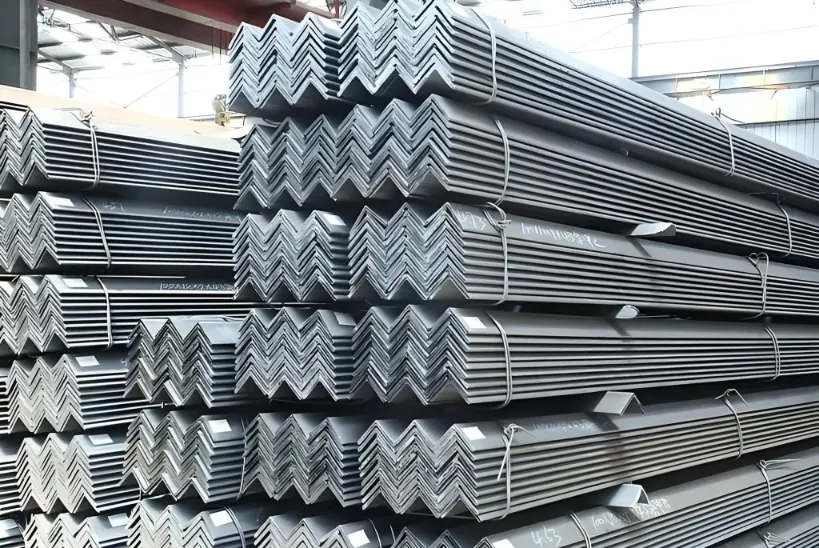
For export, freight and handling sit right next to base price in your steel sourcing guide. Bundle weight, length, port distance and packing (seaworthy wrapping, end caps, blocking) all influence the landed number. That is why a reliable steel manufacturer with warehouses close to ports can shave real weeks off transit compared with a mill that ships everything from deep inland.
Supplier Checklist: How to Choose a Reliable A36 Angle Steel Supplier?
Choosing a supplier is about more than chasing the lowest quote. A short supplier checklist helps you avoid painful surprises once the steel reaches your yard.
Qualification and Product Range
Strong candidates usually:
- Have years of experience in carbon steel and
- Offer not only A36 angle steel, but also channels, H-beams and sheet piles under the same roof
- Work with international steel standards in daily production
This broader range can simplify your angle steel supplier evaluation because you can source both angles and matching profiles from one place instead of chasing multiple vendors.
Quality Control and Traceability
Look at how the supplier handles steel quality inspection:
- Do they run regular tests for yield strength and tensile strength on incoming and outgoing material?
- Is there a clear steel rolling process and documented checks at each step?
- Can they show internal audits or third-party certifications?
These details speak louder than glossy brochures.
Service, Communication and Red Flags
On the softer side, watch for how fast and clearly they answer technical questions, how they handle changes to angle steel sizes, and how transparent they are about stock levels. Red flags include:
- Unclear answers about documents required when purchasing steel
- Missing or incomplete mill test certificates
- Vague answers about angle steel lead time
- Pricing that is far below the structural steel marketplace without a real reason
If it feels off during early emails, it rarely gets better after you send money.
Summary: What Makes a Good Sourcing Decision?
A solid decision on sourcing A36 angle steel usually comes down to a few simple points:
- The A36 steel specifications match your design on geometry, strength and finish
- The A36 steel standards and equivalents are clearly documented and traceable
- The supplier is stable, communicative and able to support repeat orders, not just a one-off deal
When you put these elements into a simple steel buying checklist and stick to it, you reduce risk and make each order easier, even as projects change.
Why Work With Qingdao Sunrise New Material Co., Ltd. for A36 Angle Steel?
If you want a supplier that fits both technical and practical boxes, Qingdao Sunrise New Material Co., Ltd. sits in that space as an international and professional supplier of steel and non-ferrous metal raw materials. The company runs as a one-stop platform for carbon steel, stainless steel, Color Coated and galvanized coils, and a full family of profile steel, including angle, channel, H-beam and piles.
Sunrise New Material operates under ISO9001:2015 quality management, works with major mills like Baosteel and POSCO, and keeps multiple warehouses near major Chinese ports to support fast loading and flexible order sizes. Customers in more than 100 countries use the company’s products in airports, stadium projects, coastal resorts and industrial plants, which means you can treat them as a reliable steel manufacturer when you build your own angle steel sourcing guide or long-term supply plan.
FAQ
Q1: What should you check first before buying A36 angle steel?
A: Start simple. Make sure the angle steel dimensions match your drawings, then ask for the latest mill test certificate with yield and tensile data. After that, confirm the surface finish and standards, so you know the material fits both design and inspection.
Q2: How do you pick between black, painted and galvanized angle steel?
A: Think about where the steel will live. Indoors, black hot rolled material often works fine. Outdoors, a coated or Galvanized Angle Steel option usually saves you future repainting. Near the sea or in chemical plants, go for stronger corrosion resistance and a clear maintenance plan, not just the lowest upfront price.
Q3: Is A36 angle steel always the right choice for structural projects?
A: Not always, but it is a strong default. A36 angle steel for structural projects covers most standard frames, platforms and supports. When spans get longer, loads heavier or environments harsh, you may mix A36 with other Structural Steel Profiles or higher grades, still using A36 angles where they make sense.
Q4: What documents should you ask a supplier to send with each shipment?
A: At minimum, ask for a mill test certificate showing steel angle chemical composition and mechanical properties, plus packing lists with heat numbers and sizes. For stricter jobs, you might add third-party inspection reports or special tests. Keeping these together helps with product traceability later.
Q5: How can you quickly tell if a supplier is worth a long-term partnership?
A: Watch how they handle small trials. Do they respond fast, explain angle steel pricing factors clearly, share realistic lead times and adjust when your project changes? If communication feels easy and the steel arrives as promised a few times in a row, you are probably looking at a partner, not just a one-off seller.