

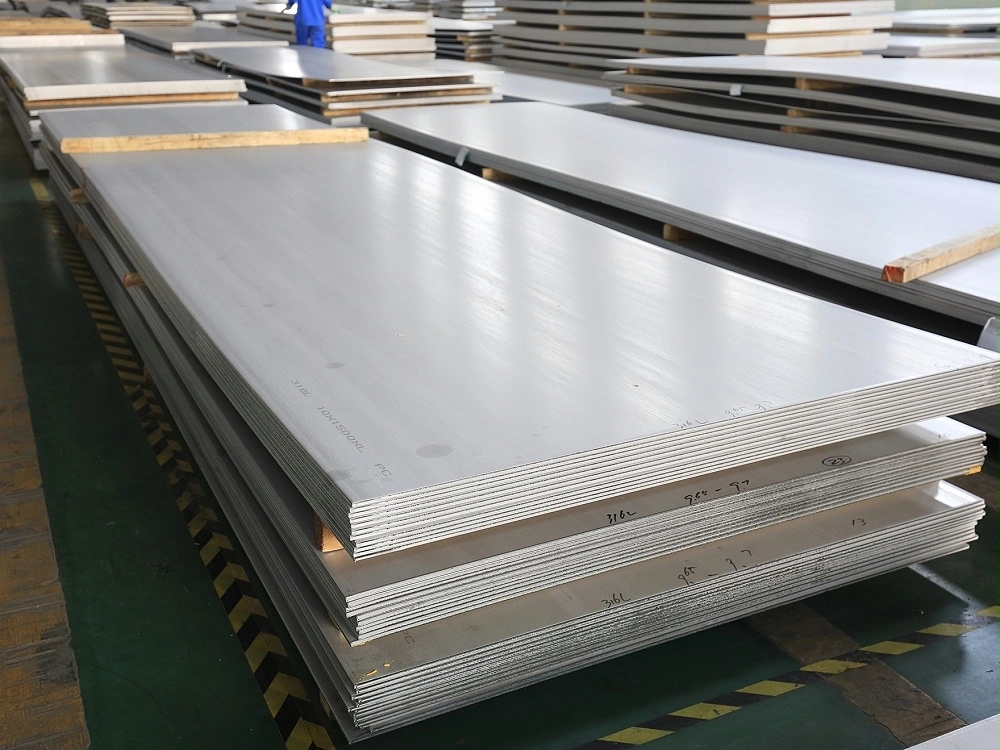
Getting the Scoop on Stainless Steel
What’s Stainless Steel Made Of, Anyway?
Stainless steel’s a slick mix, mostly iron with a hefty dose of chromium—at least 10.5%, no skimping! That chromium’s the VIP, whipping up a rust-proof shield on the surface. The exact recipe? It shifts depending on the grade and what you’re using it for. Think of it like baking cookies—same base, but the add-ins make it your own.
Extra Goodies in the Mix
It ain’t just iron and chromium partying in there. Nickel’s a regular, making the steel bendier and tougher against acid attacks. Molybdenum’s your pit-fighter, stopping corrosion holes in their tracks. Manganese beefs up strength and grit. Carbon? They keep that guy on a leash—too much, and it messes with the rust-proof mojo. It’s like tweaking a smoothie for max flavor.
What Makes Stainless Steel So Special?
Stainless steel’s a rockstar—rust-resistant, tough as nails, and pretty to boot. It’s everywhere, from factories to your kitchen sink. Plus, it’s recyclable, so it’s got that green vibe going. Wanna matte or mirror-shiny? It’s got finishes for days, flexing for any look you’re after.
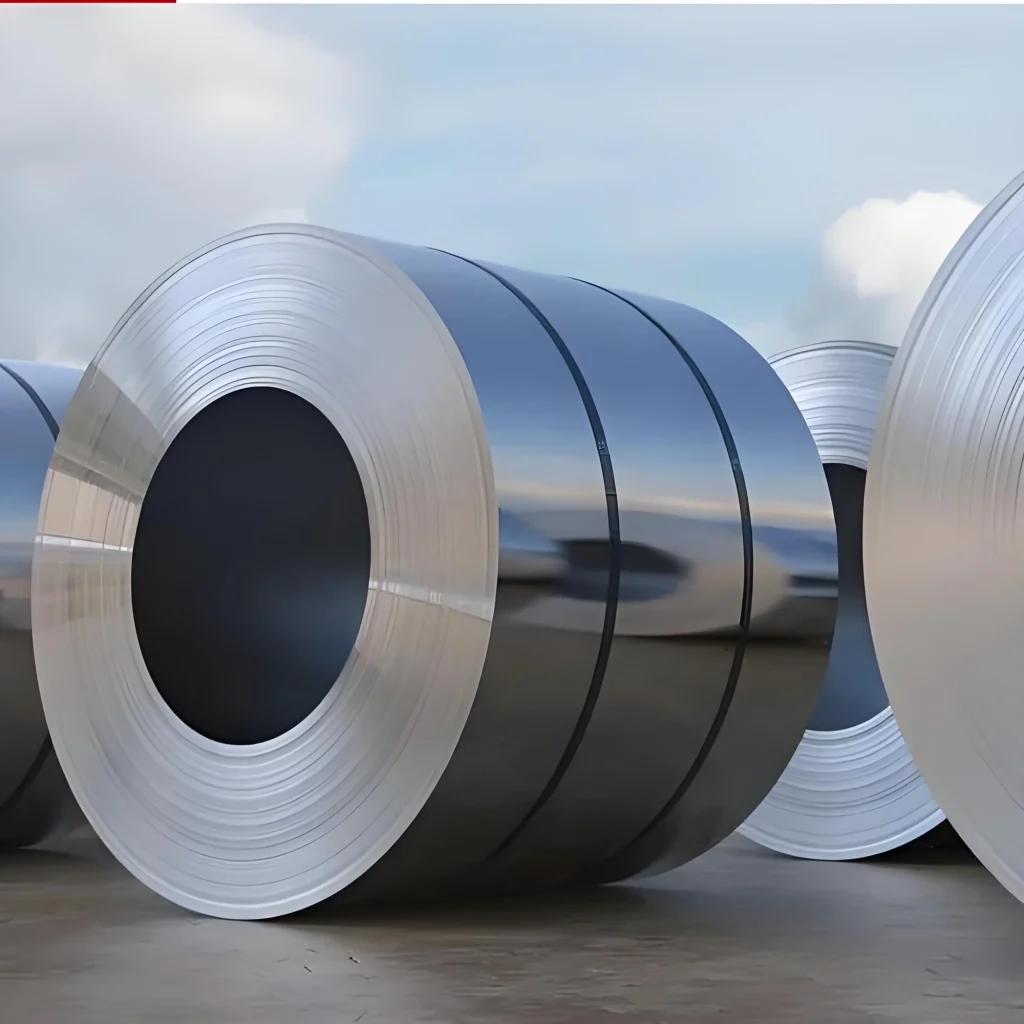
How Stainless Steel Gets Made
Melting and Mixing It Up
Making stainless starts with a big ol’ melt-down in an electric arc furnace (EAF). They toss in iron ore, recycled steel scraps—up to 60% recycled, mind you—and extras like nickel or molybdenum. That recycling keeps costs down and the planet happier. The molten goo gets stirred like nobody’s business to keep it even.
Cutting Down on Carbon
Too much carbon’s a buzzkill for stainless steel’s powers. They zap it with tricks like Argon Oxygen Decarburization (AOD) or Vacuum Oxygen Decarburization (VOD). These fancy moves trim carbon and junk like sulfur, letting them fine-tune the mix. It’s like cleaning up a messy kitchen before the big cook-off.
Nailing the Perfect Blend
Once carbon’s tamed, they tweak the brew to hit the right grade. Maybe a pinch more nickel, a dash of molybdenum—whatever the job calls for. This step’s like tuning a guitar before a gig, making sure every note’s spot-on before pouring it into molds.
Shaping Stainless Steel Like a Pro
Pouring It into Starter Shapes
Molten stainless gets dumped into molds to form slabs, billets, or blooms—big, chunky starting blocks for whatever’s next. These are the raw dough before you roll out the cookies, ready for the real shaping.
Hot Rolling for Rough Cuts
Hot rolling’s where things get cooking. They heat those blocks past their recrystallization point, then squash ’em into sheets or bars. It makes the steel stretchier, thins it out, and tightens its grain. Think of it like rolling out pizza dough—gets it closer to the final shape.
Cold Rolling for Fancy Finishes
Need it super precise or extra smooth? Cold rolling’s the move. They roll it at room temp, hardening it up and nailing tight tolerances. It’s like ironing a shirt for that crisp, clean look—takes it to the next level.
Cutting and Polishing Stainless Steel
Slicing It Up Custom-Style
Cutting stainless ain’t no cakewalk—it’s tough stuff. Laser cutting’s the hotshot, zapping out intricate shapes with barely a crumb wasted. Plasma cutting’s your pal for thick sheets, fast and furious. Waterjet’s the cool cat, using high-pressure water and grit to slice without heat, perfect for avoiding warps. Got simple cuts? Shearing or sawing get it done—shearing’s like scissors for straight lines, sawing’s for fancier shapes. Pick your tool based on thickness, finish, and how much cash you’re dropping.
Finishing It Off Right
Finishing’s where stainless steel gets its glow-up. Wanna matte or mirror? You got options. Acid or sand etching gives a gritty texture for deco or grip. Sandblasting blasts tiny bits for a soft, even matte. Belt grinding smooths out bumps, while buffing and polishing turn it into a shiny showpiece for buildings or bling. Finishing’s the last hurrah, making sure it looks good and works right.
Why Stainless Steel’s the Bomb
Laughing Off Rust
Stainless steel’s rust-proof game is unreal. That 10.5% chromium spins up a chromium oxide layer—think of it like an invisible force field. Get a scratch? It heals itself when oxygen’s around. Rain, saltwater, chemicals? No problem. That’s why it’s king for marine rigs, chemical plants, or outdoor sculptures.
Tough as Heck and Built to Last
Stainless steel’s got muscle—high strength for its weight makes it a beast for heavy jobs. Bridges, car parts, scalpels, fridges—it handles the grind without breaking a sweat. Its durability means it keeps looking and working great for ages. Tough, pretty, and reliable? That’s a triple threat.
Green Vibes and Recyclability
Stainless steel’s a green machine. Fully recyclable, with up to 60% recycled steel in many batches, it cuts down on raw material needs and energy use. Long-lasting products mean less trash, too. It’s like the eco-warrior of metals, helping industries keep it sustainable without skimping on quality.
FAQs
- What’s the deal with cutting stainless steel?
Laser for fancy shapes, plasma for thick stuff, waterjet for no-heat cuts, or shearing and sawing for basic jobs. - Why bother with finishing stainless steel?
It boosts looks and powers like rust resistance or easy cleaning. - How does stainless steel dodge rust?
Chromium oxide layer kicks in, shielding it from rust and fixing itself if scratched. - Is stainless steel eco-friendly?
Heck yeah—100% recyclable, often 60% recycled, and lasts forever, cutting waste. - Can Sunrise New Material hook me up with custom stainless?
Qingdao Sunrise New Material Co., Ltd.’s got your back with tailored solutions for global needs.