

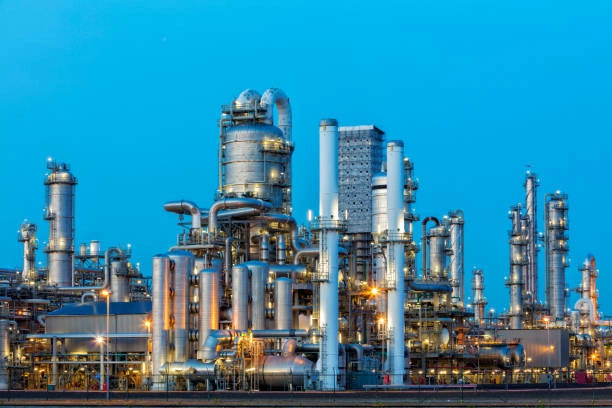
Petrochemical plants need tough materials that handle huge pressures, harsh chemicals, and big temperature swings. These materials must keep products safe and pure. Stainless steel pipes serve as a main choice in this field. They offer a good mix of toughness, resistance to chemicals, and solid strength. Still, picking and using stainless steel here takes more than grabbing a basic type. The way these pipes work depends a lot on the exact spot and job they do.
If you need pipes for key petrochemical tasks, find a solid supplier. Qingdao Sunrise New Material Co., Ltd. acts as a global and skilled provider of steel and non-ferrous metal basics. It gives custom stainless steel pipe options for factory needs. As a one-stop supplier, the firm helps buyers in more than 100 nations. It does this with a strong network, quick making skills, and deep know-how in the field. With ties to big makers like Baosteel and POSCO, Sunrise brings items that fit strict rules. This works for high-pressure steam paths or moving rough chemicals.
Core Material Properties That Make Stainless Steel Pipes Suitable for Petrochemical Use
Stainless steel does well in the tough spots of petrochemical sites. But what makes it so handy?
Corrosion Resistance Across Harsh Chemical Environments
Corrosion sneaks up in any chemical setup. Once it starts, it can cause leaks, dirt in products, or big breakdowns. Stainless steel fights off rust and harm from acids, bases, and solvents. It holds up even where other metals give out fast.
Types like 304 and 316 get used a lot for their steady work in most chemical spots. For better guard against chlorides or sea-like settings, 316L—with its molybdenum—adds extra safety. This resistance to corrosion means fewer stops and less surprise fixes.
Strength and Pressure Handling Capabilities
Petrochemical work includes moving fluids under high pressure all the time. It puts steady strain on systems. Stainless steel has high pulling strength. So it fits high-pressure fluid lines. Plus, it keeps its shape when pressure changes quick.
This power lets builders make pipes with thinner walls. They still perform well. That cuts material costs and makes setup easier.
Heat Resistance in High-Temperature Processes
Stainless steel pipes show up in reactors, reformers, and furnaces for good reason. They keep their strength at hot levels. Some types like 321 get made stable for hot spots. This stops corrosion between grains.
In jobs with steady heat, a type like 321 stainless steel pipe fights heat wear better. Its titanium setup helps with that.
Low Maintenance with Long-Term Cost Benefits
Stainless steel costs more at first than carbon steel. But over time, it saves money. It needs few fixes or swaps. That lowers full costs. Its smooth insides stop buildup or dirt sticking.
So cleaning and checks happen less often. That’s a big plus in tricky systems where stops cost a lot.
Key Applications of Stainless Steel Pipes Within Petrochemical Plants
Stainless steel’s flexibility shows up clear in its many uses around the plant. It fits roles from moving raw stuff to dealing with waste flows. It handles each task just right.
Hydrocarbon Processing Units
In spots like distillation towers to catalytic crackers, hydrocarbon work needs stuff that fights sulfur and hot conditions. Stainless steel gets used a ton in distillation columns, catalytic crackers, and reformers. Its resistance to corrosion keeps it going long in sulfur-heavy areas. That’s common in treating crude oil.
Chemical Synthesis Reactors and Mixing Chambers
When making chemicals like ammonia or ethylene oxide, product cleanness matters most. Stainless steel’s neutral surface cuts the chance of dirt getting in. Its even heat flow also keeps reactions steady. That’s key to better output.
For super clean spots that need good rust fight with a shiny finish, 430 stainless steel pipe works as a cheap pick in low-harm areas.
High-Pressure Fluid Transport Lines
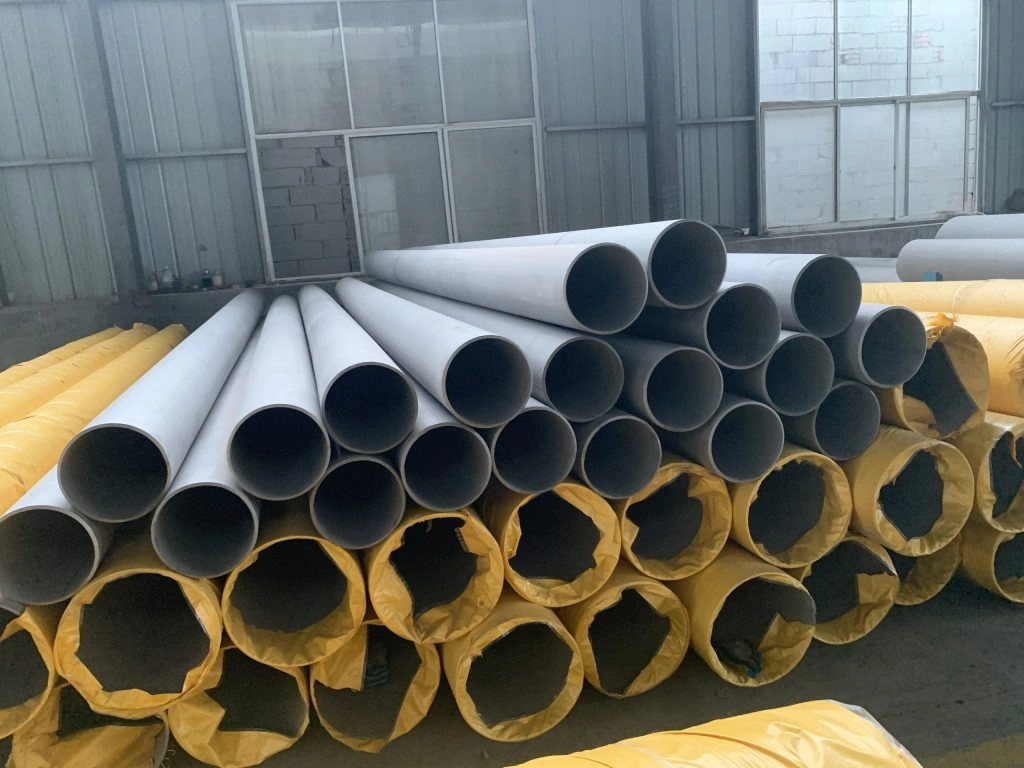
Moving gases like hydrogen or ethylene needs pipe setups that won’t break under weight. Seamless stainless pipes stop leak risks in high strain. They make a top choice for safety and trust.
Duplex types often get picked for these lines. They resist stress corrosion cracking well.
Heat Exchangers and Condensers
Heat exchangers help manage energy all over the plant. Stainless steel tubing gives good heat flow. It also fights scale even with tough cooling liquids. This fits shell-and-tube exchangers and small plate types.
Waste Treatment and Emissions Control Systems
After processing, waste flows often carry acids or wild compounds. Stainless steel pipes deal with acidic leftovers and changing byproducts without breaking down. They play a key role in scrubbers, waste neutralizers, and flue gas cleaners.
Common Challenges Faced by Stainless Steel Pipes in Petrochemical Environments
With all these perks, stainless steel can still fail. This happens most if picked wrong or not cared for right.
Pitting Corrosion from Chloride Exposure
Spot corrosion like pitting grows when stainless steel meets lots of chlorides. This is common near coasts or in sea-water cooling. Duplex types fight this better. But watching closely stays important.
Stress Corrosion Cracking (SCC) Under Load Conditions
When pulling stress hits bad chemicals like caustic soda or ammonia, SCC turns into a real worry. Right metal picks cut this risk. Duplex stainless steels do better here.
Going with 2205 duplex or stronger can help where steady stress lasts long.
Thermal Degradation at Elevated Temperatures Over Time
Running above 600°C non-stop can harm grain edges in many stainless steels. Heat treatments like solution annealing fix strength after heat. But stopping issues starts with picking the right type for hot spots.
Strategies to Maximize the Performance of Stainless Steel Pipes
To get the best from your pipe setups, small choices count. This goes from picking metals to regular checks.
Material Selection Based on Process Requirements
Each process area calls for its own metal type. Here’s a simple list:
| Application Area | Recommended Grade | Reason |
| Acidic chemical transport | 316L | Molybdenum improves resistance |
| High-pressure steam lines | 321 | Titanium stabilizes structure |
| Chloride-rich environments | Duplex 2205 | Superior pitting resistance |
Qingdao Sunrise New Material gives custom tips based on your plant’s needs. This helps skip errors in planning metals.
Surface Treatments for Extended Durability
Boosting the surface adds more life:
- Passivation clears iron bits from the top
- Electropolishing makes inside surfaces smooth for cleanness
- Special coatings give double guard against wild exposure
These fixes help a lot when purity or dirt control is vital. Think polymer-grade monomer lines.
Proactive Maintenance Practices That Pay Off Over Time
Steps to stop problems can save cash down the road:
- Regular sound wave tests check for thinning
- Looks at weld spots find weak points from wear
- Inside rinses clear junk before it clogs hard
These steps matter more as gear gets old or runs near its edge.
Emerging Trends Shaping the Future Use of Stainless Steel Pipes
Future petrochemical work will mix material know-how with tech tools.
Smart Monitoring Systems Integrated into Pipe Networks
Modern smart plants put sensors right in pipes. They track heat, flow, and pressure shifts. These catch early wear or strain without halting work. It changes how we plan fixes ahead.
Development of Advanced Alloy Compositions
New types come with better hold against creep or easy joining at lower prices. Sunrise New Material keeps watch on this through work with local makers. It makes sure buyers get fresh options.
FAQ
Q1: What grade of stainless steel is most commonly used in petrochemical plants?
A: Grades like 304 and 316 are widely used due to their corrosion resistance, while duplex grades like 2205 are favored for more aggressive environments.
Q2: Are welded pipes suitable for high-pressure applications?
A: Yes, but seamless pipes are generally preferred when pressure integrity is critical due to their uniform structure and absence of weld seams.
Q3: How often should stainless steel pipes be inspected?
A: Inspection intervals vary based on usage but typically range from once a year to every three years for critical lines.
Q4: Can stainless steel handle both hot and cold processes?
A: Yes. Its thermal stability allows it to perform well from cryogenic temperatures up to over 800°C depending on the selected grade.
Q5: Does Sunrise New Material offer custom fabrication services?
A: Yes. They offer various custom fabrication services with high quality.