

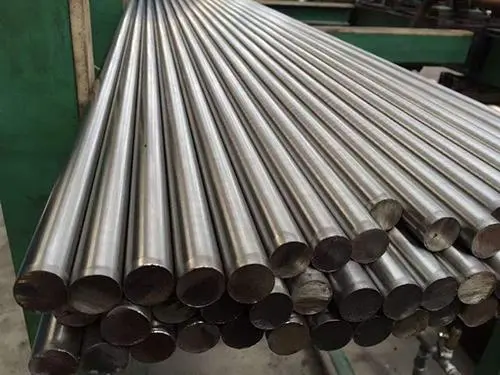
When you buy stainless steel 430 bar, you are not only buying a grade. You are buying a set of promises: chemistry limits, mechanical ranges, surface condition, tolerances, and paperwork that can pass inspection. Miss one line on the purchase order and the “same 430” can arrive with the wrong finish, the wrong tolerance, or a certificate your QA team will reject. That is how small spec gaps turn into big delays.
What Stainless Steel 430 Bar Is Used For in Practice
430 is a ferritic stainless steel bar that buyers often choose for its cost profile, magnetic behavior, and solid corrosion resistance in many mild environments. It shows up in decorative hardware, interior components, appliance parts, fixtures, and general fabrication where the environment is not aggressive.
The key point is simple. Your application decides the spec. A bar used for a polished trim part needs a different surface and straightness than a bar used for a machined shaft. The standard language is how you lock that in.
Chemical Composition Requirements for 430 Stainless Steel
Composition is the first gate. If chemistry is off, everything downstream becomes a gamble.
Typical Chemical Composition Range
Most buyers treat 430 stainless bar as “straight chromium stainless.” That is true in a practical sense, but your order still needs a referenced standard and a heat-level report. Your mill test report should list heat number, chemistry results, and the governing standard.
If your project involves audits, specify that chemistry results must be shown on the certificate, not “typical values.”
How Composition Affects Performance and Compliance
Composition links directly to corrosion behavior, polish response, and fabrication stability. Even in the same grade family, small shifts can change how a surface looks after brushing, or how a part behaves after forming.
This is why standards matter. They do not only define the alloy. They define what “acceptable” means.
Major International Standards for Stainless Steel 430 Bar
Different projects reference different standards. Your supplier can sell 430 bar into many markets, but your purchase order must match your drawing notes.
ASTM Standards for North America and Global Projects
If your project uses ASTM language, you will often see ASTM A276 (stainless steel bars and shapes) or ASTM A479 (stainless bars for certain high-temperature or pressure services). Put the exact standard on the PO, not “ASTM” as a placeholder.
Also specify the product form. “Bar” is not always enough. Round, hex, square, and flat bars can follow different expectations for finish and tolerance.
EN Standards for Europe and Mixed-Spec Projects
European specs commonly reference EN standards, often tied to EN 10088 for stainless steels. If your end user requests EN documentation, your certificate format and inspection language can matter as much as the metal itself.
A quick tip that saves time: ask early whether the client expects EN-style inspection documents, not only a generic mill test report.
JIS Standards for Japan and Asia
In Asia-linked supply chains, you may see JIS SUS430 language, especially when the drawing or BOM uses Japanese naming. Again, do not rely on “SUS430” alone. Pair it with the bar standard and dimensional tolerance requirements so procurement does not guess.
Dimensional Specifications You Should Check Before Ordering
Most disputes do not start with chemistry. They start with dimensions.
Before you lock a supplier, check how your drawing defines bar size, length, and allowable deviation. If you leave it vague, the supplier will ship what is standard for their mill and it may not match your shop process.
When reviewing international standards and tolerances, it helps to check stainless steel 430 bar specifications to confirm grade, size range, and surface condition before ordering.
Diameter, Length, and Tolerance
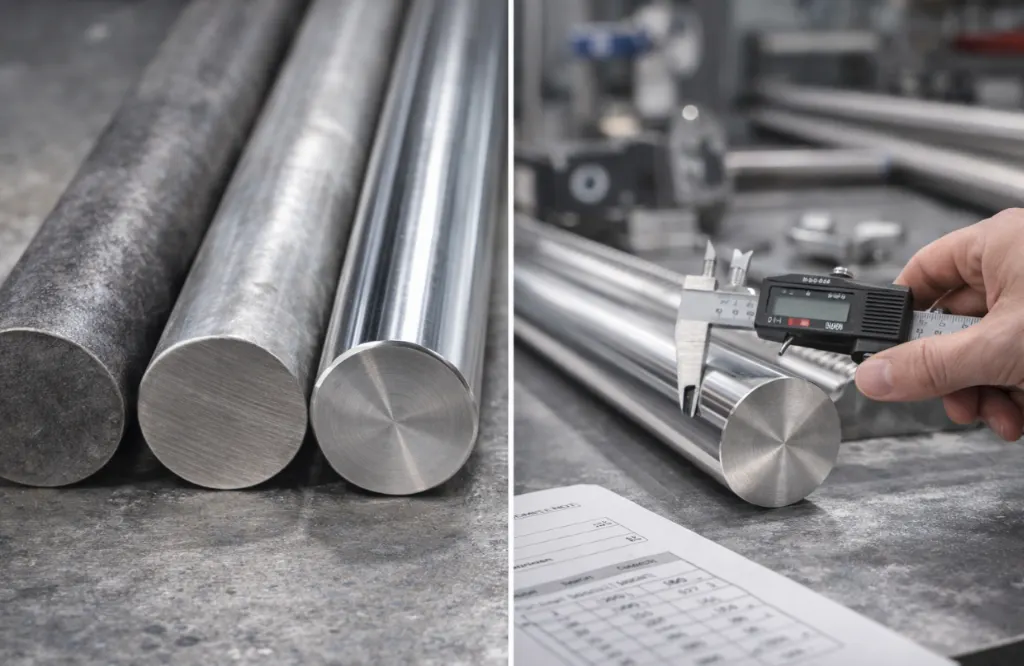
Write diameter as a number and add tolerance language. Then add length. Decide whether you want random length or fixed length. This sounds basic, but it affects cutting waste and handling.
If your machine shop runs a bar feeder, straightness and consistent length matter more than people expect. One slightly bowed bar can jam a line and ruin a shift.
Surface Finish and Straightness
Surface finish is where “430 bar” becomes many different products. Common conditions include hot rolled, cold drawn, and polished or ground finishes. Your finish choice affects machining time, tool wear, and final appearance.
If you need a cosmetic surface, say so. If you only need a machinable surface, say that too. A polished bar can cost more and still be wrong if your part needs a different finish direction.
Mechanical Properties and Testing Requirements
Mechanical values are often written as ranges in standards. Your goal is not to chase perfect numbers. Your goal is to match what the part needs, and to document it.
Typical Mechanical Property Ranges
Most projects care about tensile strength, yield behavior, and elongation, but the required level depends on the part. A decorative support bracket has different needs than a rotating shaft.
Instead of writing a single number, reference the standard and require reporting of actual test results on the certificate. That keeps your QA process clean.
Common Tests and Certificates
If your buyer asks for “MTR,” they usually mean a Mill Test Report with chemistry and mechanical results. Many projects also ask for an inspection certificate aligned with EN 10204 Type 3.1, which is tied to test results for the supplied lot and signed by an authorized inspection representative.
If your project is strict, add these checks when relevant:
- PMI spot checks for grade verification
- Hardness testing when your machining process is sensitive
- Visual surface inspection requirements for cosmetic parts
Common Specification Mistakes Buyers Make With 430 Bar
This is where projects lose time. A few patterns show up again and again.
Mistake one: writing “430 stainless bar” with no standard. That forces the supplier to guess.
Mistake two: ignoring finish and tolerance, then blaming the material when machining time jumps.
Mistake three: using 430 where the environment is harsher than expected, then calling it “rusting steel.” Sometimes it is not rust. It is surface staining from chlorides and poor cleaning habits. Either way, your customer will not care about the nuance.
How to Specify Stainless Steel 430 Bar Correctly on Drawings
A complete callout usually includes:
- Grade (430 / SUS430)
- Standard (ASTM, EN, JIS, GB)
- Form (round bar, hex bar, square bar)
- Size and tolerance
- Length type (random or fixed)
- Surface condition (hot rolled, cold drawn, polished)
- Certificate requirement (MTR, EN 10204 3.1 when needed)
If your drawing allows alternate materials, comparing stainless steel bar grades and standards can help narrow down compliant options without over-specifying the project.
Quick Checklist Before You Place an Order
Use this checklist before you release the PO:
- Standard and grade are both written
- Diameter, tolerance, and length are clear
- Surface finish is stated
- Certificate type is stated (MTR, EN 10204 3.1 when required)
- Packaging and marking requirements are included
- Destination port and lead time expectations are confirmed
Before finalizing a purchase order, it is often worth taking time to confirm specifications with your supplier, especially for tolerance, testing documents, and packaging details.
Conclusion
Stainless steel 430 bar is easy to buy and easy to mis-spec. Standards and specifications keep your order consistent across batches, suppliers, and job sites. Chemistry tells you what it is. Dimensions tell you whether it fits your process. Certificates tell you whether it will pass inspection. Put all three in writing and the project runs smoother.
A Reliable Supply Partner for Stainless Steel Orders
Qingdao Sunrise New Material Co., Ltd. positions itself as an international supplier of steel and non-ferrous metal raw materials, focused on providing customized supply solutions for global buyers. The company states it has passed the ISO9001:2015 quality certificate, which matters when you need stable documentation and repeatable QA practices across shipments. Sunrise New Material also notes customers across more than 100 countries and regions, supporting export-oriented purchasing with clear communication and supply coordination. If your project involves strict inspection documents, tolerance control, and consistent delivery, working with a supplier that treats specs and paperwork as part of the product can reduce rework and shorten your approval cycle.
FAQ
Q1: What standard should you use when ordering stainless steel 430 bar?
A: Use the standard your project spec already calls for, like ASTM, EN, or JIS. If the drawing is silent, pick one and write it clearly so “stainless steel 430 bar” means the same thing to both sides.
Q2: What does EN 10204 3.1 mean for stainless steel 430 bar paperwork?
A: It usually means you want an inspection document with actual test results for the supplied lot, signed by an authorized inspection representative. Many buyers ask for this when audits are strict.
Q3: Why do tolerances matter so much for stainless steel 430 bar?
A: Because your shop runs on consistency. A small diameter shift can change machining time, tool wear, and fit. If you use bar feeders, straightness can matter more than you expect.
Q4: Is SUS430 the same as stainless steel 430 bar?
A: SUS430 is a common JIS naming style for 430. In real purchasing, you still need the bar standard, size tolerance, and surface condition. “SUS430” alone is not a full spec.
Q5: What is the fastest way to spec stainless steel 430 bar without missing key details?
A: Write grade plus standard, then add form, size, tolerance, length type, surface finish, and the certificate you need. If you are unsure, treat it like a short checklist and fill every line before you place the order.