

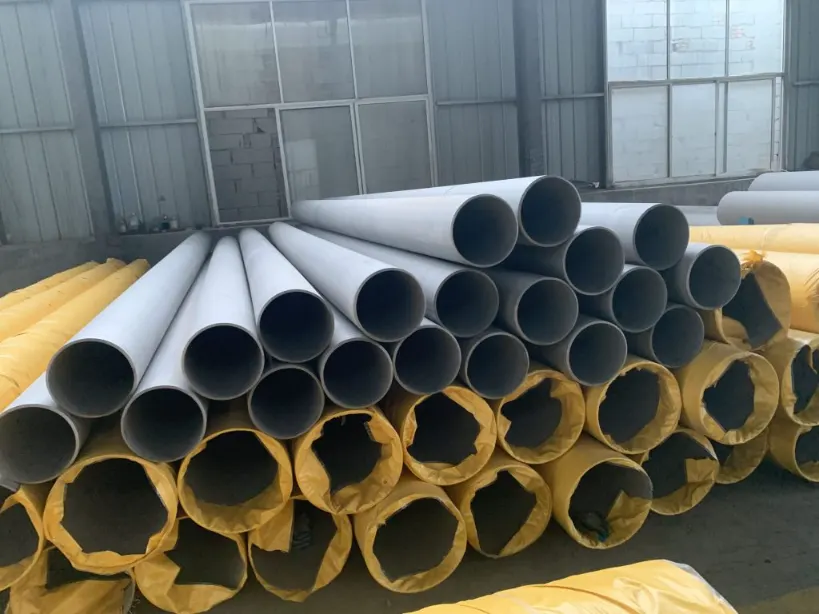
When you write a roof or façade specification, stainless steel grades can look similar on paper but behave very differently on the building. Grade 430 sits in an awkward but useful spot: cheaper than austenitic grades like 304, but with limits in harsher environments. If you pick it blindly, you risk staining, pitting or early replacement. If you choose it with clear rules, it can be a very cost-effective option.
This guide walks through how to use stainless steel pipe 430 in roof, cladding and other architectural details without nasty surprises later on site.
What Makes Stainless Steel 430 Different From Other Architectural Grades
Before you decide where to use 430 pipe, it helps to know what kind of stainless steel it actually is and why it behaves the way it does on a façade or roof.
Chemical Composition And Ferritic Structure
Grade 430 is a ferritic stainless steel. Typical composition is around 16–18% chromium, very low carbon and little or no nickel, with the balance iron. This “straight chromium” mix gives it basic corrosion resistance in mild atmospheres, but less reserve strength than nickel-bearing grades when conditions get aggressive. The ferritic structure also makes it non-hardening and generally stable in size, which helps for formed profiles and tubes.
Mechanical Properties And Everyday Behavior
Data sheets describe 430 as having moderate corrosion resistance, good formability and useful oxidation resistance up to roughly 800 °C, along with decent strength and hardness for many building details. In practice, that means you can bend and roll it into pipes, frames and trims without too much trouble, then expect it to hold shape under wind and normal service loads.
Magnetic Characteristics
Ferritic grades like 430 are magnetic. That matters in a few niche cases. For example, if you design items around security scanners or equipment that reacts to magnetic materials, 430 will not behave like 304. On the positive side, some designers even use this trait for removable panels with magnetic fixings.
When Is Stainless Steel Pipe 430 Suitable For Roof And Cladding Applications
Not every façade or roof is a good home for 430. You need to think about climate, pollution and the way the detail will drain and dry.
Best-Fit Environmental Conditions
Grade 430 performs best in dry indoor spaces or benign outdoor atmospheres, such as inland locations with low pollution and moderate rainfall. Reference texts point out that 430 has good resistance in dry air, but will corrode faster in humid or acidic environments compared with 304. So internal atriums, covered walkways, canopies well away from sea spray and sheltered roof structures are all realistic targets.
Structural And Aesthetic Use Cases
In architectural work, 430 stainless steel pipe often appears as decorative or light structural members: exposed roof trusses, parapet rails, canopy frames, sunshade supports and interior columns. Standards like ASTM A554 cover welded stainless mechanical tubing for structural and decorative use, including façade and handrail applications where appearance, straightness and basic mechanical properties matter.
If you place the pipe where rain can run off and surfaces can dry, 430 can keep a clean look for a long time.
Situations Where 430 Is A Poor Choice
You should be much more careful in coastal, heavy industrial or high-humidity environments. Comparisons between 430 and 304 repeatedly show that 304, with 8–10.5% nickel, has stronger corrosion resistance and longer life in harsh conditions. In marine zones, in contact with de-icing salts, or near chimneys and cooling towers, 430 is prone to pitting and staining unless heavily protected. In those projects, it is usually safer to move up a grade.
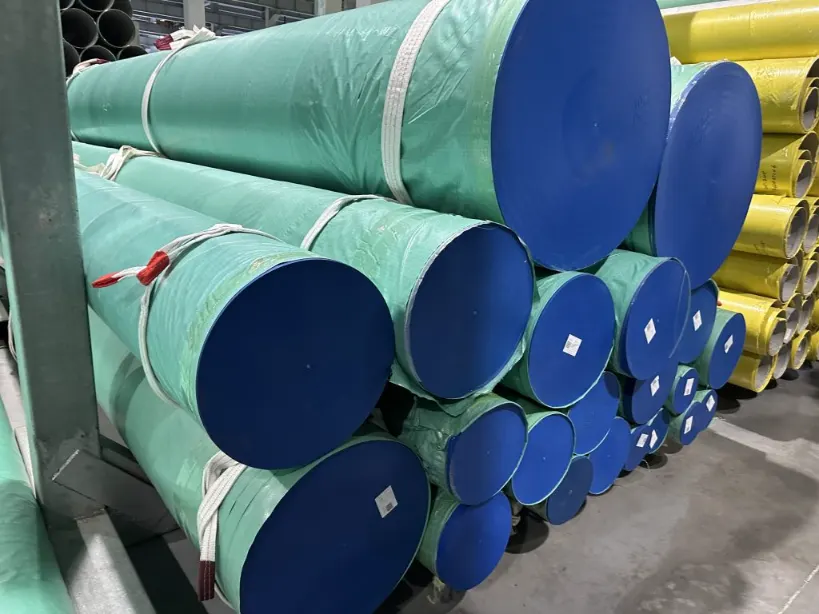
Specifying Stainless Steel Pipe 430 Correctly In Architectural Projects
Once you decide that 430 is acceptable for the environment, the detail of the specification makes the difference between a clean project and a claim.
Choosing The Right Surface Finish
Surface finish has a direct impact on corrosion behavior and how dirt shows on the building. Technical notes on 430 mention that polished or buffed surfaces give higher corrosion resistance than rougher ones. For external cladding or exposed pipes, you may prefer a No.4 brushed finish to hide small scratches, while high-polish BA or mirror finishes suit feature pieces that sit under cover. For service yards and plant screens, a simple 2B cold-rolled finish can be enough.
Wall Thickness, Diameter And Tolerances
Codes like ASTM A554 describe welded stainless tubing in outside diameters up to 406 mm and a range of wall thicknesses for structural and decorative duties. For roof members and balustrades you should specify minimum wall thickness, outside diameter and permitted tolerances, rather than just asking for “stainless pipe”. That keeps loads, deflection and buckling behavior closer to what you expect from design calculations.
Welding And Fabrication Notes
430 does not harden with heat treatment, but its ferritic structure can be sensitive to poor welding practice. Sources note that 430 is non-hardenable yet can lose ductility or pick up defects if cooled too fast or welded without control. To avoid brittle zones, you should call for qualified welders, controlled heat input and proper cleaning and passivation of welds, especially where joints are visible on a façade.
Protective Treatments And Cleaning
Polishing, brushing and sometimes clear coatings help keep a roof or cladding detail looking good. Guidance on ferritic grades also points out that regular washing in polluted areas slows down staining and surface rust. It is worth saying plainly in the specification that exposed 430 needs a basic cleaning schedule if it sits outdoors.
Testing, Certification And Inspection Checklist
Specifiers often focus on grade and size, but you also need to think about standards and simple checks on site.
Standards such as ASTM A554 for mechanical tubing and material standards like AISI 430 / EN 1.4016 define chemistry, surface and mechanical ranges for ferritic stainless steels in structural and decorative roles. You can ask the supplier for mill test certificates showing actual composition and properties, not just a generic label. On site, simple inspection points include: checking welds for cracks and undercut, confirming that surface finish matches the sample, and looking for early tea-staining in wet areas during handover.
Cost–Performance Advantages In Architectural Use
Price is one reason you keep seeing 430 in specifications. Nickel is a major cost driver in stainless steel, and 430 has little or none of it, so it usually comes in cheaper than 304. If your project sits in a mild climate and you do not need the full strength of austenitic corrosion resistance, stainless steel 430 for roofing and façade details can free up budget for other parts of the building, without dropping down to plain carbon steel.
Metal Solutions From Sunrise New Material
Qingdao Sunrise New Material Co., Ltd. (referred to as “Sunrise New Material”) is presented in public sources as an international supplier focused on steel and non-ferrous metal raw materials, including stainless steel pipe, plate and seismic support systems. Sunrise New Material positions itself as a one-stop partner for global users, offering customized supply solutions rather than only standard catalog items.
Information from the company profile notes ISO9001:2015 quality certification, along with a supply chain network that covers multiple mills and logistics channels. For buyers who need stable batches of 430 tubing or other architectural steel products, that mix of quality control and sourcing depth can reduce project risk and cut down the time spent chasing material.
FAQ
Q1: Can You Use 430 Stainless Pipe On An Exposed Roof?
A: Yes, in dry inland areas with low pollution and good drainage. In marine or very dirty city air, it is safer to use a higher grade.
Q2: Is 430 Good Enough For Exterior Cladding?
A: It can work for sheltered façades or upper levels away from salt and chemicals. You still need the right finish and a simple cleaning plan.
Q3: What Is The Main Difference Between 430 And 304 In Buildings?
A: 304 has nickel, so it resists corrosion better in harsh conditions but costs more. Grade 430 is more of a budget option for mild environments.
Q4: Do You Need Special Welding For 430 Stainless Steel Pipe?
A: You need controlled heat input and trained welders. Poor welding can make joints brittle or lead to early cracking and rust marks.
Q5: Which Surface Finish Is Best For Architectural 430 Pipe?
A: Brushed No.4 finishes are common on façades because they hide minor scratches. Polished surfaces look sharper but show damage more easily.