

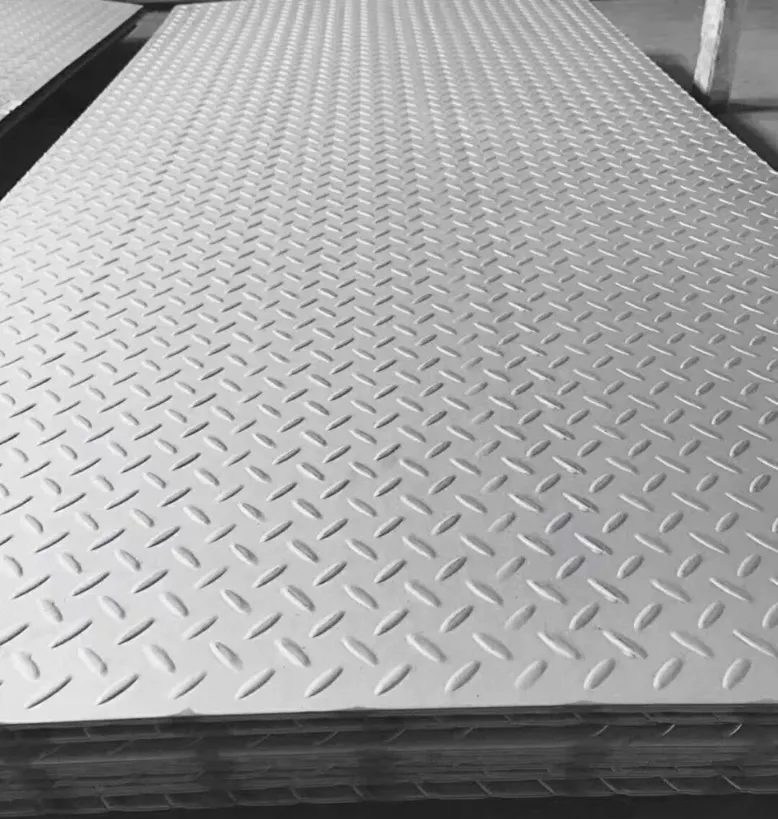
Introduction to Stainless Steel Plate Thickness Selection
Picking the right stainless steel plate thickness is a big decision in building, making, or fixing things. If the plate is too thin, it might twist, crack, or break under weight. If it’s too thick, it wastes material, adds weight, and costs more than needed. This guide looks at three common types of stainless steel plates: 410, 430, and 304. Each has its own strengths, rust resistance, and ideal thickness range. By the end, you’ll know how to choose the right thickness for your job, location, and budget.
Why Stainless Steel Plate Thickness Matters in Engineering & Manufacturing
Stainless steel is not just about the type and finish; thickness matters too. It affects:
- Strength and stiffness
- Ability to resist bending or changing shape
- Weight and load-bearing capacity
- Material costs and usage
- How easy it is to join or bend
If the thickness is wrong, the plate may break under load or be too difficult to work with.
Overview of 410, 430, and 304 Stainless Steel Grades
- 410 Stainless Steel: Martensitic, heat-treatable, high hardness, good for wear parts and tools.
- 430 Stainless Steel: Ferritic, magnetic, good for mild corrosion resistance, often used in kitchen equipment and decorative panels.
- 304 Stainless Steel: Austenitic, non-magnetic in most conditions, excellent corrosion resistance, commonly used in food, chemical, and marine environments.
Each type works best within a certain thickness range, depending on its use.
Key Factors That Affect Stainless Steel Plate Thickness Choice
Load-Bearing Requirements and Structural Needs
- Will the plate bear heavy loads?
- Is it part of a frame, stand, or structure?
For heavy loads, go for thicker, stronger plates (410 or 304). For lighter loads, thinner plates may work.
Corrosion Resistance Differences in 410, 430, and 304
- 304 has the best corrosion resistance of the three.
- 430 is good indoors, with mild corrosion resistance.
- 410 is okay in terms of rust protection but can become brittle if exposed to harsh conditions.
In wet or chemical-heavy environments, a thicker 304 plate will last longer.
Heat, Temperature, and Durability Considerations
Thinner plates can warp or lose strength under heat.
If the plate will be exposed to high heat (like stoves, pipes, or hot zones), choose 430 or 304, which offer better heat resistance.
For stability in hot areas, slightly thicker plates are often safer.
Fabrication, Cutting & Welding Effects on Plate Thickness
- Thicker plates:Are harder to cut and weld.
May twist if not properly cooled during welding.
- Thinner plates:Are easier to cut and shape.
Are more prone to warping under heat or heavy loads.
Fabrication cost and ease of work are key considerations when selecting the thickness.
Understanding Stainless Steel Thickness Standards
Gauge vs. Millimeter Stainless Steel Thickness Conversion Chart
Many stainless steel plates are measured in gauge for thin sheets and millimeters (mm) for thicker plates. A rough conversion is:
- 16 ga ≈ 1.5 mm
- 14 ga ≈ 2.0 mm
- 12 ga ≈ 2.5 mm
- 10 ga ≈ 3.0 mm
For clear communication, specify thickness in millimeters for construction or engineering tasks.
ASTM Standards for Stainless Steel Thickness Tolerance
Standards like ASTM A240 define how close the actual thickness will be to the nominal value. Always allow for tolerances when ordering stainless steel plates to ensure they match your project needs.
Recommended 410 Stainless Steel Plate Thickness
Mechanical Strength of 410 Stainless Steel for Thickness Selection
410 is known for:
- High hardness after heat treatment.
- Good wear resistance.
- Reasonable strength.
These properties make it ideal for tools, shafts, and wear parts.
Best Thickness Options for Tools, Machinery & Wear Applications
- 2–4 mm: Small wear plates, cutting tools, light-duty machinery.
- 5–8 mm: Machine parts, brackets, supports.
- 10–20 mm: Heavy-duty wear plates, structural components.
For tough wear applications, use thicker 410 plates, especially after heat treatment.
When to Use Thin vs. Thick 410 Stainless Steel Plates
- Thin 410 plate (≤4 mm): For small tools, cutting components, or light machine parts.
- Thick 410 plate (≥5 mm): For wear-resistant liners, pump components, or heavy machine parts.
Recommended 430 Stainless Steel Plate Thickness
Corrosion Resistance & Magnetic Properties Affecting 430 Thickness
430 stainless steel is:
- Magnetic.
- Economical.
- Good for mild corrosion environments (indoors, low exposure to harsh elements).
Ideal Thickness for Kitchen Equipment, Panels & Decorative Uses
- 0.8–1.5 mm: Kitchen appliance panels, backsplashes, decorative surfaces.
- 1.5–3.0 mm: Hoods, counters, equipment cladding.
- 3–6 mm: Heavy panels, enclosures, moderate-duty structural parts.
430 is best for decorative applications where moderate corrosion resistance is enough.
Standard 430 Stainless Steel Thickness Options in Industry
Common 430 plate thicknesses include:
- 0.8 mm
- 1.0 mm
- 1.2 mm
- 1.5 mm
- 2.0 mm
- 3.0 mm
Recommended 304 Stainless Steel Plate Thickness
High Corrosion Resistance of 304 and Its Impact on Thickness Selection
304 is known for:
- Excellent corrosion resistance.
- Good formability and weldability.
- Ideal for food, chemical, and marine environments.
For areas with harsh exposure, you might need thicker 304 plates for extra durability.
Thickness Choices for Food Processing, Chemical Storage & Marine Use
- 1.0–2.5 mm: Food processing equipment, kitchen sinks, covers.
- 3–6 mm: Structural frames, equipment bases, tank walls.
- 8–20 mm: Heavy-duty tanks, pressure vessels, structural supports in corrosive areas.
Thin, Medium, and Heavy 304 Stainless Steel Plate Applications
- Thin (1–2 mm): Food contact surfaces, trays, covers.
- Medium (3–6 mm): Equipment frames, supports, machine beds.
- Heavy (8 mm+): Large tanks, heavy-duty structural parts in marine or chemical environments.
410 vs. 430 vs. 304 Stainless Steel Plate Thickness Comparison
| Grade | Typical Environments | Common Thickness Range | Main Strengths | Typical Uses |
|---|---|---|---|---|
| 410 | Wear conditions, mild corrosion | 2–20 mm | High hardness, good strength | Tools, wear plates, machinery parts |
| 430 | Indoor, mild corrosion | 0.8–6 mm | Corrosion resistance indoors, magnetic, low-cost | Kitchen panels, appliances, trims |
| 304 | High corrosion, food/chemical/marine | 1–20 mm | Excellent corrosion resistance, good formability | Food equipment, tanks, marine fittings |
Strength vs. Flexibility Comparison Across Stainless Steel Grades
- 410: Strong but brittle, best for thicker cuts.
- 430: Moderate strength, good for light-to-medium thickness.
- 304: Good balance of strength and flexibility, works across many thicknesses.
Cost Efficiency Based on Stainless Steel Plate Thickness
- 430: Cheapest, especially in thinner plates.
- 410: Mid-range, offers hardness and wear resistance.
- 304: Generally the most expensive, especially in thicker plates.
To keep costs down, choose the lowest thickness that meets your strength, corrosion, and safety needs.
How to Calculate the Right Stainless Steel Plate Thickness
Structural Load Calculations for Thickness Selection
- Calculate load requirements.
- Use bend radius charts.
- Account for safety margins.
For simple projects, you can use basic charts, or consult an engineer for more complex calculations.
Temperature, Pressure & Environmental Impact
- Thicker plates are better for high-heat or high-pressure situations.
- For tanks or parts in high-stress environments, use thicker 304 or 410 plates.
Choosing Thickness for Safety and Compliance Standards
Ensure your plate meets any industry-specific codes or regulations, such as:
- Local building codes
- Customer specifications
Common Industrial Applications & Recommended Stainless Steel Thickness
Construction & Structural Engineering Applications
- Platforms, walkways: 4–10 mm
- Panels, covers: 1–2 mm (typically 304 or 430)
Automotive & Transportation Plate Thickness Needs
- Exhaust parts (430/304): 1–2 mm
- Structural brackets (410/304): 3–6 mm
Industrial Machinery & Equipment Thickness Selection
- Machine base: 6–20 mm (mostly 410 or 304)
- Guards, covers: 1.5–3 mm (430/304)
Kitchen Equipment & Food Processing Applications
- Worktops, sinks (304): 1.2–2 mm
- Panels, fronts (430/304): 0.8–1.5 mm
- Frames, supports (304): 3–5 mm
Mistakes to Avoid When Selecting Stainless Steel Plate Thickness
Over-Specifying vs. Under-Specifying Thickness
- Too thick: higher cost, harder to fabricate.
- Too thin: risk of bending, cracking, or failure.Ignoring Welding, Bending & Forming Requirements
Thicker plates are harder to weld and form, while thinner plates might warp or twist.
Overlooking Long-Term Wear and Corrosion Factors
Consider how long the plate will last under wear, rust, and exposure to harsh chemicals.
How Suppliers Like Sunrise New Material Help You Choose the Right Thickness
Technical Support, Certification & Custom Thickness Options
Professional suppliers such as Qingdao Sunrise New Material Co., Ltd. can:
- Recommend suitable stainless steel plate thickness based on your drawings and requirements.
- Provide 410, 430, and 304 stainless steel plates in a wide range of thicknesses.
- Offer mill certificates, chemical analysis, and mechanical test reports.
This kind of support helps reduce mistakes and speeds up the design stage.
Quality Standards and Material Verification
Reliable suppliers:
- Follow international standards like ASTM, JIS, EN.
- Use strict quality control during production and cutting.
- Help ensure the plate you receive matches your design in both grade and thickness.
Working with a trusted partner lets you focus on design and production, not raw material problems.
Conclusion
Choosing the right stainless steel plate thickness is about much more than picking a number from a catalog. You must consider:
- Load and structural needs
- Corrosion and environmental exposure
- Fabrication methods and tolerances
- Cost and long-term performance
By understanding the strengths of 410, 430, and 304 stainless steel plates, and how thickness affects each, you can make informed, cost-effective choices for every project. When in doubt, work closely with a trusted supplier to confirm the most suitable grade and thickness for your specific application.
FAQ
Q1: What is the most commonly used stainless steel plate thickness?
A: For general applications, 1.0–2.0 mm is typical. For structural and heavy-duty parts, 3–6 mm is common.
Q2: How do I choose between 410, 430, and 304?
A: Choose 410 for hardness and wear resistance, 430 for cost-effective indoor use, and 304 for high corrosion resistance.
Q3: Does thicker stainless steel always mean better performance?
A: Not necessarily. Thicker plates increase cost and weight, so balance thickness with requirements.
Q4: Is there a difference in thickness limits for each grade?
A: All three grades come in a wide range of thicknesses. However, 430 and 304 are often available in thinner gauges than 410.
Q5: Can I use the same thickness in different environments?
A: No. Thicker plates might be needed for more aggressive environments (like chemical exposure or marine conditions).