

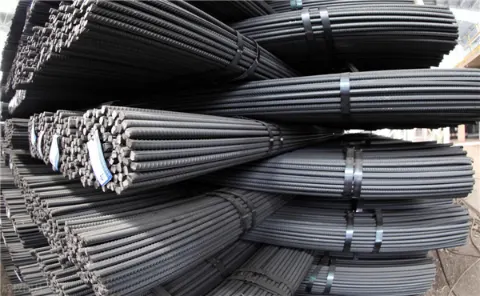
Earthquakes do not “test” a building gently. They push, pull, and reverse direction fast. That is why rebar choice is not a small detail you leave to the last minute. If you pick the wrong grade, the wrong size, or the wrong type for a harsh site, you may end up with cracking, costly rework, and a structure that cannot take repeated shaking. Rebar is the part you cannot see later, which is exactly why you need to get it right now.
Why Rebar Choice Matters in Seismic Zones
In seismic design, concrete alone is not the hero. The steel inside does a lot of the hard work when the load flips back and forth. Rebar is built to handle tension, while concrete handles compression. Together they act like a composite, stronger than either material alone.
Concrete and Steel Share the Load
When rebar sits in concrete, the concrete takes compressive stress and the rebar takes tensile stress. That mix is a big reason reinforced concrete became the default choice for buildings, bridges, and walls. One practical point often missed: reinforced concrete can reach a breaking point close to double that of plain concrete. That gap matters during shaking.
Ductility Gives You Time
In an earthquake, you want warning signs, not a sudden snap. Concrete without rebar is brittle and can fail with little warning. Reinforced concrete is ductile, so small cracks can show up first while the element still carries load. People on site notice those cracks. Engineers can inspect. That “time to react” is valuable.
Core Rebar Specs to Check Before You Buy
Specs are not paperwork for paperwork’s sake. They tell you how the bar will behave when the building sways. If your project sits in a seismic zone, you should treat grade and ductility as decision drivers, not nice-to-haves.
Yield Strength and Ductility Come First
Yield strength tells you when steel starts to deform. High-yield steel is often used for heavy-duty reinforcement, and a common reference point is 500 MPa for higher-grade applications.
One caution that saves money later: a larger diameter does not make a bar “twice as strong.” Strength comes from the steel grade, not just thickness.
Ask for heat numbers and mill test reports (MTRs). A clean paper trail speeds up approvals and avoids site arguments. It also helps when a client’s inspector shows up unannounced, which happens more often than anyone admits.
Size, Spacing, and Detailing That Make or Break Performance
Even strong steel can disappoint if sizing and detailing are sloppy. Seismic performance depends on how the cage is built, not just what is on the invoice.
Pick Sizes That Fit the Member
Typical small loads may use 6 mm, 8 mm, or 10 mm bars. Columns and walls often start at 8 mm and up, while foundations and footings commonly need 10 mm and up.
Real-world note: many projects stock several diameters on site, and mix-ups happen. Clear tagging and separate storage zones save you from “someone grabbed the wrong bundle” headaches.
Do Not Ignore Lap Splices and Bends
Earthquakes punish weak connections. Poor lap splice length, bad hook geometry, and crowded joints can turn good steel into a bad system. Also think about bendability. Rebar selection should match your fabrication plan, especially when you have tight stirrups, beam-column joints, or congested shear wall edges.
Match Rebar Type to Environment and Site Reality
Seismic zones are often coastal, humid, or both. Corrosion and seismic demand can hit the same project. You need a bar type that fits the environment, schedule, and budget.
Carbon Steel, Galvanized, and GFRP Are Not the Same
Carbon steel rebar is common and cost-friendly, but it can rust over time.
Galvanized rebar is far more corrosion resistant (often cited as about 40 times more resistant than “black” rebar), but it costs more.
GFRP rebar resists corrosion well, yet it should not be bent like steel, which limits detailing options and can raise cost.
If your jobsite stores bars outdoors for days during rainy periods, corrosion risk becomes a daily, boring problem. Boring problems still ruin schedules.
Availability, Length, and Diameter Range Matter
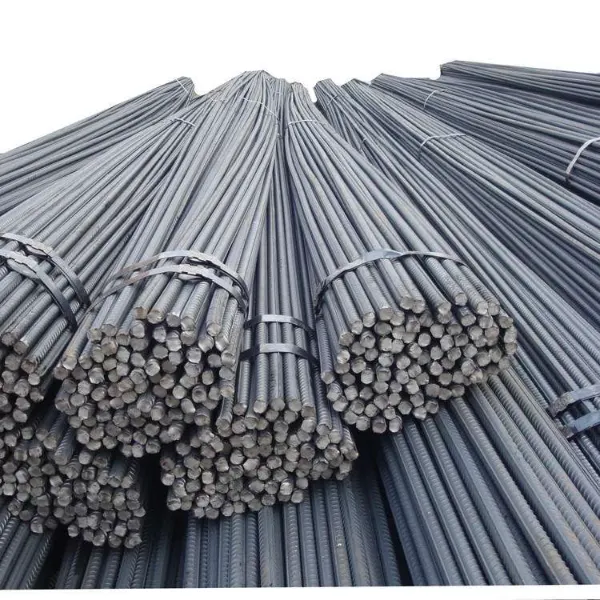
If you need flexible supply, check what your supplier can actually ship. A typical steel rebar supply range can cover lengths from 1–12 m and diameters from 6–50 mm, with hot-rolled production as a common process.
That range helps when your design shifts mid-stream and you suddenly need 12 m bars or a less common diameter.
Supplier Spotlight: Qingdao Sunrise New Material Co., Ltd.
Qingdao Sunrise New Material Co., Ltd. (Sunrise New Material) stands as a world seller of steel and non-iron metal raw stuff. It focuses on made-to-fit supply fixes. Not just same quotes for all. The firm says it passed ISO9001:2015. This counts if your job needs logged quality checks. In work, Sunrise New Material points out a solid supply link net. It has long ties with big mills like Baosteel, Taiyuan Iron and Steel, and POSCO. Plus many store spots at main home ports to aid quick sends. If you need rebar that matches usual rules (BS4449, JIS G3112, ASTM A615/A615M) and handy ship ways, this mix of mill ties and port stores can cut wait shocks and paper slows.
FAQ
Q1: What is the first thing to check when buying rebar for an earthquake zone?
A: Start with yield strength and ductility. Then confirm the bar meets the project standard and has an MTR you can trace.
Q2: Is thicker rebar always better for earthquakes?
A: Not always. Bigger diameter can help in some members, but grade drives strength. Oversized bars can also create congestion at joints.
Q3: How do you choose between carbon steel and galvanized rebar?
A: If corrosion risk is low and cost is tight, carbon steel is common. If the site is coastal or humid, galvanized can be worth the extra spend.
Q4: What bar sizes show up most on real building jobs?
A: Many projects use 6–10 mm for lighter needs, then 10 mm and up for footings and bigger structural parts. Final sizing should follow the engineer’s drawings.
Q5: What should you ask a supplier before placing a big order?
A: Ask about standards, available diameter range, available lengths, hot-rolled process, and how fast they can ship from stock. It sounds basic, but it avoids last-minute delays.