


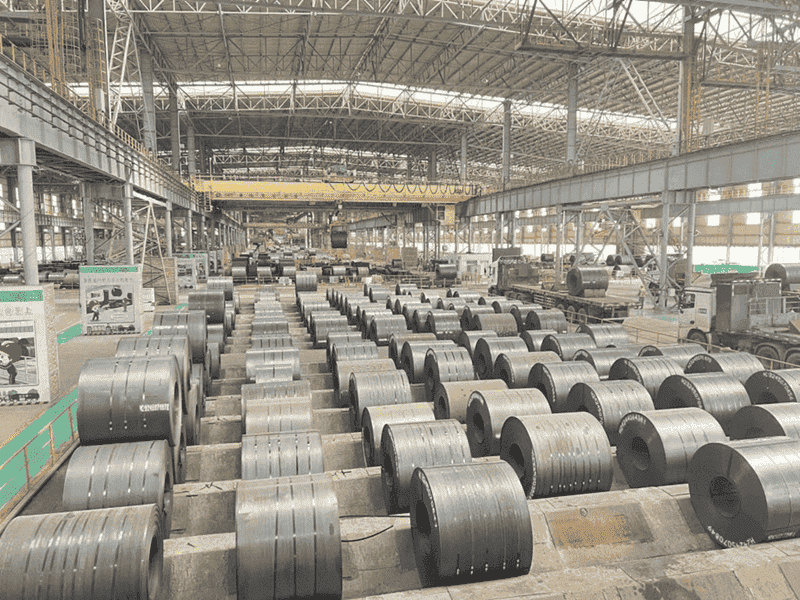
The role of carbon steel coil in the medical field may not grab attention, but its importance stands out. When you need dependable strength and exactness, this material provides a good mix of solid performance and low cost. For makers who supply hospitals, testing labs, and medical gear firms, carbon steel forms the sturdy base for many tools.
If you seek carbon steel for medical production, it’s more than just getting a metal roll. You want steady quality, clear tracking, and options that fit your making needs. Qingdao Sunrise New Material Co., Ltd. is a global and skilled provider of steel and non-ferrous metal basics. They built a solid supply line and factory setup across China. This makes them the top pick for thousands of buyers around the world. Be it cold-rolled coil or special-handled plate, Sunrise New Material sends reliable, quality-focused items fast. Check their goods at Sunrise New Material. For questions or special requests, use their Contact page.
Key Properties of Carbon Steel Relevant to Medical Applications
When picking materials for medical gear, you likely think about things like toughness, price, simple shaping, and cleanliness. Carbon steel coil fits these needs if you handle it right.
Mechanical Strength and Durability
Carbon steel gives the strong pull strength needed for gear frames and parts that hold weight. It’s an iron-carbon mix with carbon from 0.0218% to 2.11%. Usually, more carbon means harder material and better strength. So, it keeps structure solid for a long time. That’s vital for things like hospital beds or scan tables, where breaking down just can’t happen.
Formability and Machinability
You might want tricky shapes or close fits when making medical chairs or gear covers. Carbon steel coil lets you slice, press, and bend it without losing accuracy. This works well for big batches of items.
Be it brackets for test units or detailed shells for control parts, items like A36 Carbon Steel Coil come in layers from 0.3 mm to 14 mm thick. Widths go up to 2000 mm. They match different build plans.
Corrosion Resistance with Proper Treatment
Plain carbon steel lacks the rust fight of stainless types. But that doesn’t rule it out for clean areas. Add powder cover, zinc dip, or passivate layers, and it works for routine cleaning and lasting cleanliness.
Such fixes lengthen item life. They cut down on upkeep too. That’s a big plus for gear that faces nonstop germ-killing washes.
Common Uses of Carbon Steel Coil in Medical Equipment Manufacturing
Carbon steel shows up in several main parts of medical making. It often hides under smooth outsides, yet it plays a key job.
Structural Frames for Diagnostic Devices
Big scan tools like MRIs and CT machines use carbon steel for inside supports. The reason? It stays steady under pressure and keeps shape firm. For example, MRI beds and CT frames pick carbon steel for that firmness. This helps keep settings exact over time. So, clinics see less fix-up delays.
Hospital Furniture Components
Think adjustable beds, IV stands, and rolling carts. Carbon steel often wins out for its good strength per pound. Coated outsides fight germ growth and harsh cleaning stuff. With choices like Gr.50 Carbon Steel Coil, you get power and easy bending in one type.
Enclosures and Protective Casings
Shells for screens or pump devices often have carbon steel sheets. They protect physically and block electric waves. Plus, you can machine them simply for screen holes or door ways.
Comparing Carbon Steel with Alternative Materials in Medical Manufacturing
Choosing materials isn’t only about how well they work. It’s also about money and if they suit the job. Here’s how carbon steel compares to stainless steel and plastics.
Stainless Steel vs. Carbon Steel
| Feature | Stainless Steel | Carbon Steel |
| Corrosion Resistance | High | Moderate (with coating) |
| Cost | Higher | Lower |
| Strength | High | High |
| Weight | Heavier | Lighter (in some grades) |
| Machinability | Moderate | High |
Carbon steel costs less overall. It still handles strength needs. This shines in parts where looks matter less, or you can add covers.
Plastics vs. Carbon Steel
Plastics beat on lightness. But they lack in holding heavy loads. For bases of stretchers or arm mounts on walls, carbon steel’s toughness wins.
Considerations for Sterilization and Cleanroom Use
Your gear might have to meet top clean rules or handle heat-clean machines. See how carbon steel plays in.
Surface Treatments for Sterility Compliance
Powder coats and zinc layers help carbon steel fight germ spread. They stand up to tough cleaners.
These outer fixes stop bugs from sticking. They take repeated clean cycles too. So, they work in touchy spots like surgery rooms or care units.
Compatibility with Autoclave Processes
Good-treated joins and welds matter most. Untreated carbon steel might bend in heat cleaners. But coated parts do fine, if you plan sizes right in building.
Supply Chain Advantages of Using Carbon Steel Coil
With world supply ups and downs, getting materials on time can save your build plan.
Cost Efficiency in Mass Production
Carbon steel saves a lot over other metals. Its cheap base price fits huge making jobs without cutting corners on good work. That’s a real help if you make tons of the same thing.
Availability and Sourcing Flexibility
Sunrise New Material links up long-term with big steel makers at home and abroad, like Baosteel, Taiyuan Iron and Steel, and POSCO. They keep steady coil types even in tough supply times.
This broad setup lets you get stuff from many spots. Lead times stay short.
Innovations Driving Broader Adoption in Medical Fields
Medical tools get smarter and easier to carry these days. That changes material picks.
Integration with Smart Device Housings
Gear like digital temp checkers or life-sign watchers use carbon steel shells. These guard inside bits and spread heat.
Lightweight Grades Expanding Design Possibilities
Low-carbon types open fresh build paths for small items. New low-carbon kinds let makers cut weight but keep good work. This suits home care tools or carry-along test kits.
Challenges When Implementing Carbon Steel in Medical Settings
Every material has downsides. Here are two spots that need smart planning with carbon steel.
Maintenance of Surface Coatings Over Time
Often cleanings can wear down covers if you don’t apply them well. Pick the best fix method. Then, test it hard for life span.
Regulatory Compliance Across Markets
Health rules differ by place. You need tracking papers, outside checks, and test info to hit FDA, CE, or ISO marks.
Sunrise New Material earned the ISO9001:2015 quality stamp. It gives sure footing for checks anywhere.
FAQ
Q1: Can carbon steel be used inside operating rooms?
A: Yes, provided it has undergone proper treatment such as powder coating or galvanizing to meet hygiene standards.
Q2: Is carbon steel more cost-effective than stainless steel?
A: Absolutely. It offers comparable strength at a lower material cost—particularly beneficial in large-volume production.
Q3: How does carbon steel handle frequent sterilization?
A: Treated surfaces perform well under autoclave conditions, though surface integrity should be monitored during maintenance cycles.
Q4: What types of medical equipment commonly use carbon steel?
A: Hospital beds, diagnostic frames, IV poles, monitor enclosures, carts—any component requiring structural strength at reasonable cost.
Q5: Where can I source high-quality carbon steel coils?
A: Sunrise New Material offers tailored coil solutions like A36 Carbon Steel Coil and Gr.50 Carbon Steel Coil, supported by fast delivery networks across global markets.