

When you choose materials for industrial jobs, the decision between brass and stainless steel often depends on what the project needs. These needs can include fighting rust or easy shaping. Both are alloys with good engineering traits. But their qualities differ a lot, which affects how well they work, how much they cost to use, and how long they last.
If you’re handling a big project and need some strong metal supplies, check out what Qingdao Sunrise New Material Co., Ltd. offers. They are an international seller with lines for making stainless steel, galvanized coils, seamless steel pipes, and other items. They have a solid name in more than 100 countries. Your project might need exact-cut stainless shapes or large loads of tough coils. Their custom fixes and quick shipping can make buying easier. Visit their official site to connect or read about their company background.
Material Composition and Mechanical Properties
Alloy Composition Differences
Brass and stainless steel differ clearly in their basic elements. This lays the groundwork for how they act in different settings. Brass mainly mixes copper and zinc. It sometimes adds a bit of lead or tin to make shaping easier. The copper base gives brass its warm color and great ability to carry electricity.
Stainless steel bases on iron. It adds chromium—at least 10.5%—to fight rust. It also includes nickel and other parts based on the type. Grades such as 304 or 316 have molybdenum or nickel. These boost rust resistance and toughness.
These mixes not only shape how they react chemically. They also affect the strength of each metal. This shows up especially under pressure or in harsh spots.
Mechanical Strength and Durability
If your job needs to hold heavy loads or avoid bending under force, you can pick stainless steel. It usually has greater pulling strength than brass. And it keeps its shape even in very hot or cold spots, or under hard pushes. So, it’s great for building work, boat parts, and factory machines.
Brass is softer and bends more easily. That makes it less fitting for tough jobs. But it works well for parts that need detailed cutting or screw threads. For instance, brass fits best in valve parts. There, tight fits and exact work matter most.
Thermal and Electrical Conductivity
Brass stands out for its ability to conduct. It carries electricity better than stainless steel. That’s why folks often choose it for wire ends and plugs. Its heat-carrying skill is higher too. This helps spread warmth well in cooling units or heat movers.
Stainless steel conducts poorly by comparison. Yet it does well when you want to block heat or when electricity might cause trouble.
Corrosion Resistance Comparison
Fighting rust can decide if a material works or fails, based on the place it’s used. Brass holds up okay in wet spots. But it can suffer from zinc loss—particularly in sour or salty areas over time.
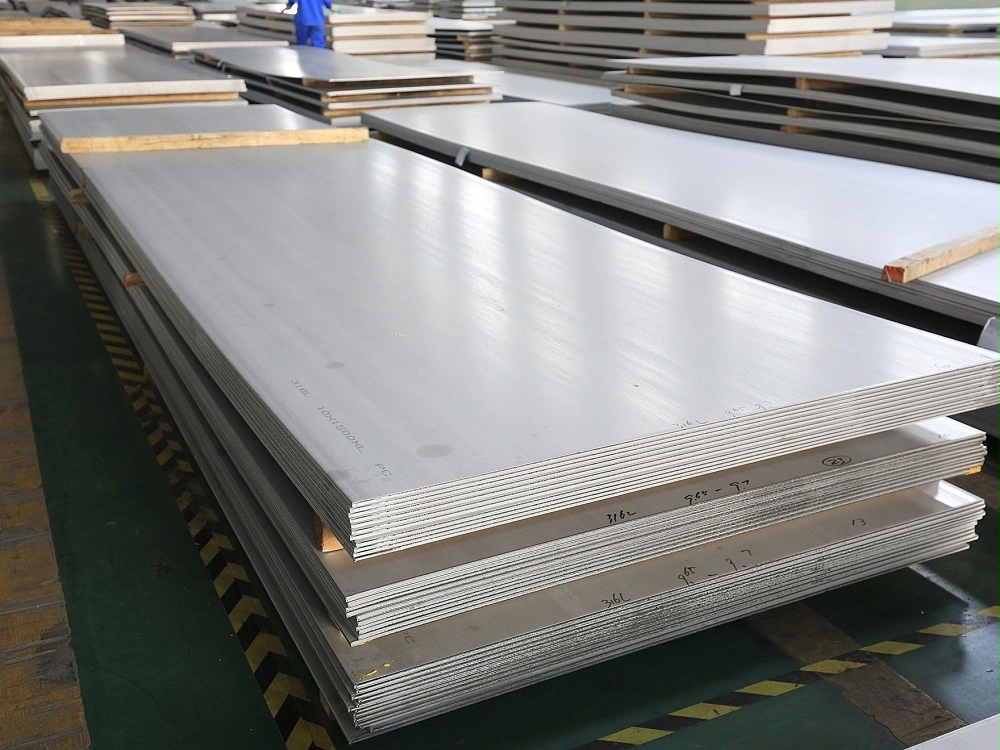
Stainless steel fights rust better overall. Grades like 316 do especially well in sea or chemical spots. If you’re building near the coast or handling chemicals, a top-grade item like the 316 Stainless Steel coil might stop early breakdowns.
Industrial Applications Based on Use Environment
When Brass Is the Preferred Choice?
Brass does best in jobs needing careful cutting or nice looks. It cuts and forms with little hassle. That’s why it’s common in pipe fittings—mainly for screw parts that must seal without leaks.
You can see brass a lot in smooth-moving parts too, like locks, gears, and zippers. For looks, its gold color boosts appeal in indoor items such as door handles or building edges. There, style counts a bunch.
Where Stainless Steel Outperforms Brass?
In spots with water, acids, or strong pushes, stainless steel fits better. Food plants and health centers demand clean surfaces. Stainless steel’s neutral face meets those rules. Plus, it lasts long.
High-pressure pipes in oil-chemical sites gain from its solid build under changing forces. Items like the 430 Stainless Steel plate give a cheap way to handle mild rust risks. And they keep safety in place.Sunrise New Material stocks many stainless steel goods for building and factory uses.
Cost Considerations Over Project Lifecycle
Raw Material Pricing Trends
Cost often tips the scale, particularly for huge projects. Brass costs more because of its copper load. Market info now shows brass at about $5–7 per kilogram. Stainless steel runs $2–4 per kilogram.
But think beyond the first buy. Stainless steel saves money later with less upkeep. If your setup sees rough spots or hard-to-reach areas, stainless might cut total costs a good deal.
Machinability and Fabrication Characteristics
Ease of Processing During Manufacturing
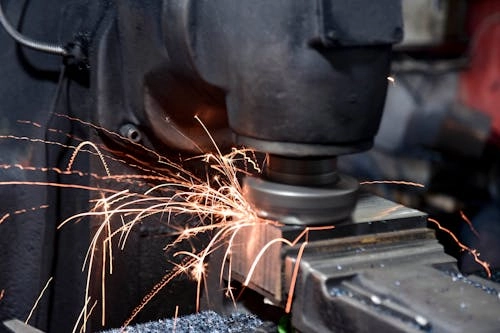
For jobs with lots of shaping—like machine milling or auto-threading—brass has clear perks. It shapes with ease and wears tools little. That’s perfect for exact parts.
Stainless needs strong tools and steady speeds to skip heat or wear. Still, when joining by heat matters, stainless wins. Its joins come out tougher and smoother than brass ones. Sunrise New Material also cuts stainless steel shapes to fit machine lines on request.
Aesthetic Qualities and Surface Finishes
Visual Differences That Influence Design Choices
Brass and stainless steel give different looks that shape where they’re used in plain sight. Brass has a cozy gold shade. It gains a soft layer with age—a touch many like in old-style or country designs.
Stainless keeps a clean silver-gray look. It fights dulling for years. You can tweak both with shine, rough, or cover steps to match your plan.
Environmental Influence and Recyclability Factors
Sustainability Considerations for Each Material Type
Both brass and stainless steel can be reused with good scrap worth. Brass reuse needs sorting for copper. But it recovers well. Stainless reuse saves energy over repeats. That makes it a smart pick for green projects.
Today’s stainless making often uses up to 60% reused stuff. And quality stays high. This counts if your field needs eco-approvals.
FAQ
Q1: Is brass or stainless steel better for outdoor use?
A: Stainless steel generally performs better outdoors due to its superior resistance to rust and chlorides, especially in marine or acidic environments.
Q2: Can I weld brass like I weld stainless steel?
A: No. Brass is typically joined using soldering or brazing methods due to its lower melting point and zinc content. Stainless steel can be arc welded using appropriate filler materials.
Q3: Which material is safer for drinking water systems?
A: Both are used in potable water systems. But lead-free brass must comply with regulations, while stainless is often preferred for its inertness and lack of leaching concerns.
Q4: Is there any risk of galvanic corrosion between brass and stainless?
A: Yes. When dissimilar metals like brass and stainless come into contact in moist environments without electrical isolation, galvanic corrosion can occur.
Q5: Does Sunrise New Material offer custom sizing?
A: Yes—Qingdao Sunrise New Material Co., Ltd. provides tailored solutions including custom sizes, finishes, and grades based on project needs. You can get in touch through their contact page for specific inquiries.